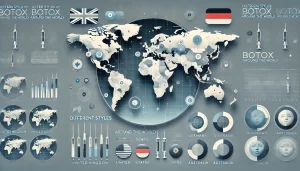
How to Start Botox Training: A Comprehensive Guide to Launching a Successful Botox Career
1. Introduction
In today’s competitive world, a career as a Botox specialist offers a unique opportunity to enter the booming field of cosmetic medicine. Botox training is not only about learning how to reduce wrinkles and rejuvenate skin but also about building a successful business that can transform lives. This comprehensive guide will walk you through how to start Botox training from scratch, covering everything from initial prerequisites to exploring the global job market.
Whether you are in the United Kingdom or looking to expand your skills internationally, this article is designed to give you an in-depth overview of what it takes to become a Botox specialist. We will cover the essential qualifications, training programs, challenges, income potential, and key factors that affect career success in this field.
Read on to learn how to turn your passion into a rewarding career and join the ranks of highly respected cosmetic professionals.
2. Why Consider a Career in Botox Training?
The demand for minimally invasive cosmetic procedures has skyrocketed over the last decade. Botox, originally known for its medical applications, has become a household name in the beauty industry. As more people seek non-surgical treatments to improve their appearance, the need for qualified Botox specialists continues to grow.
A career in Botox training is appealing for several reasons:
- High Demand: With increasing awareness and acceptance of cosmetic procedures, Botox has a strong market presence worldwide.
- Lucrative Income: Botox specialists can earn a significant income, especially in regions like the UK and the USA.
- Flexibility: Many professionals in this field work independently, allowing for flexible working hours and business opportunities.
- Personal Fulfillment: Helping clients achieve their desired appearance can be extremely rewarding.
For more on the benefits of a career in cosmetic medicine, visit reputable career sites such as Indeed and Glassdoor.
3. Prerequisites and Qualifications
Before starting Botox training, there are several prerequisites and qualifications that aspiring professionals should meet. These are essential to ensure you have the necessary foundation to excel in this specialized field.
3.1 Educational Background
Most Botox training programs require a background in healthcare. Typically, you should have one of the following:
- A degree in medicine (MBBS, MD) or nursing (BSN, RN).
- A background in dentistry or other allied health fields.
- In some cases, even a degree in aesthetics or cosmetology might be acceptable if accompanied by further medical certification.
3.2 Licensing and Certification
In many countries, including the United Kingdom, only licensed medical professionals are permitted to administer Botox injections. Therefore, you must:
- Obtain a valid medical license or nursing license.
- Complete additional certification in cosmetic medicine, which often includes hands-on training in Botox administration.
- Attend accredited courses or workshops offered by recognized organizations such as the British Association of Aesthetic Plastic Surgeons or IAAC.
3.3 Practical Experience
Gaining practical experience is critical. Many training programs require you to complete a certain number of supervised injections before you can practice independently. Consider:
- Internships or residencies in cosmetic clinics.
- Shadowing experienced Botox specialists.
- Participating in live training sessions and workshops.
4. Training Options and Programs
Once you meet the prerequisites, you can explore a variety of training options to learn the art and science of Botox injections. Training programs can vary in duration, format, and cost.
4.1 Accredited Training Courses
Accredited courses are the most reliable way to learn Botox injection techniques. Look for programs that offer:
- Hands-on practice with live models or simulators.
- Theoretical training covering anatomy, dosing, injection techniques, and complication management.
- Certification upon successful completion.
Examples of reputable training providers include the British Association of Aesthetic Plastic Surgeons and international courses such as those offered by the Aesthetics Council.
4.2 Online Courses and Webinars
For those who cannot attend in-person courses, several online training programs are available. While online courses may lack hands-on practice, they can provide valuable theoretical knowledge. Ensure the course is reputable and recognized by professional bodies.
4.3 Mentorship and Apprenticeship
Many aspiring Botox specialists benefit from working directly under an experienced mentor. Apprenticeships in established cosmetic clinics allow you to learn in a real-world environment and gain practical experience.
4.4 Self-Study and Workshops
In addition to formal training, attending workshops and self-study courses can supplement your learning. These short courses often focus on specific techniques or advanced procedures.
5. Challenges in Botox Training and Practice
Entering the field of Botox injections is highly rewarding, but it comes with its own set of challenges. It is important to be aware of these obstacles and plan accordingly.
5.1 High Initial Investment
Training and certification programs can be expensive. Costs may include course fees, travel expenses for in-person training, and fees for certification exams. Moreover, setting up a clinic or practice requires investment in equipment and marketing.
5.2 Learning Curve and Skill Acquisition
Botox injections require a deep understanding of facial anatomy and precise injection techniques. The learning curve can be steep, and mistakes can have significant consequences. Consistent practice under supervision is crucial to master the technique.
5.3 Regulatory Hurdles
In many countries, strict regulations govern who can administer Botox. Ensuring you meet all licensing and certification requirements is essential. Regulatory bodies often require periodic re-certification and continuing education.
5.4 Competition in the Market
The cosmetic medicine industry is highly competitive. Once certified, you may face intense competition from established clinics and specialists. Building a reputation and a loyal client base takes time and effective marketing.
5.5 Managing Client Expectations
Clients often come with high expectations, influenced by media and celebrity endorsements. It is important to educate your clients about realistic outcomes and ensure they understand that results vary based on individual factors.
6. Wages and Income: A Global Perspective
One of the most appealing aspects of becoming a Botox specialist is the potential for a lucrative income. However, wages can vary significantly based on location, experience, and the specific market.
6.1 Average Wages in the United Kingdom
In the United Kingdom, Botox specialists typically earn between £40,000 and £100,000 per year. Top practitioners in metropolitan areas or in high-end clinics may earn even more.
6.2 Comparison with Other Countries
Below is an overview of estimated annual wages for Botox specialists in different regions:
- United States: Approximately $60,000 to $150,000 per year, with top professionals earning over $200,000 in high-demand areas.
- Germany: Around €50,000 to €120,000 per year, depending on experience and location.
- Australia: Typically AU$70,000 to AU$130,000 per year.
- Canada: Roughly CAD 55,000 to CAD 120,000 per year.
- United Kingdom: As mentioned, £40,000 to £100,000 per year, with variations by region.
For detailed salary information, refer to resources like Glassdoor and PayScale.
7. Market Analysis: Best Countries for Botox Specialists
The demand for Botox treatments varies across different regions. Factors such as cultural acceptance of cosmetic procedures, regulatory environment, and overall economic conditions play a major role.
Some of the best markets for Botox specialists include:
- United Kingdom: A mature market with high demand in metropolitan areas like London and Manchester.
- United States: A vast market with significant demand in cities such as New York, Los Angeles, and Miami.
- Germany: A growing market with increasing acceptance of non-surgical cosmetic procedures.
- Australia: High demand in major cities, supported by a favorable regulatory environment.
- Canada: A steadily growing market with well-regulated cosmetic medicine practices.
For more detailed market data, visit reputable job search websites like Indeed and LinkedIn Jobs.
8. Pros and Cons Comparison Chart of Botox Specialization by Country
The following table provides a comparative overview of the advantages and disadvantages of pursuing a career as a Botox specialist in various countries.
| Country | Average Annual Salary | Pros | Cons |
|---|---|---|---|
| United Kingdom | £40,000 – £100,000 | High demand, mature market, prestigious clientele | High competition, strict regulations |
| United States | $60,000 – $150,000+ | Large market, diverse clientele, high earning potential | Variable regulatory standards, intense competition |
| Germany | €50,000 – €120,000 | Growing market, high quality standards, stable economy | Language barrier for non-German speakers, regional differences |
| Australia | AU$70,000 – AU$130,000 | Favorable regulatory environment, high demand in metropolitan areas | High cost of living, limited market size in rural areas |
| Canada | CAD 55,000 – CAD 120,000 | Steady market growth, well-regulated industry | Smaller market compared to the U.S., regional economic variations |
9. Reputable Resources and Job Sites
To help you start your career as a Botox specialist, here are some reputable resources and job sites where you can find training programs, job opportunities, and further information:
- Indeed – A leading job search engine with many listings in the cosmetic medicine field.
- Glassdoor – Offers salary insights and company reviews for cosmetic clinics and spas.
- LinkedIn Jobs – A professional networking site with a robust job search feature for Botox specialists.
- British Association of Aesthetic Plastic Surgeons – Provides training, certification, and industry updates in the UK.
- International Aesthetics Council – Offers global perspectives on training and market trends.
- Mayo Clinic – A reliable source for medical information and training programs.
10. Conclusion
Starting a career as a Botox specialist is a challenging yet rewarding journey. Whether you’re in the United Kingdom, the United States, or another part of the world, success in this field requires the right educational background, proper certification, hands-on experience, and a commitment to continuous learning.
Although there are challenges—such as high initial investments, steep learning curves, and intense competition—the potential for a lucrative income and personal fulfillment makes this career path worth pursuing. By carefully selecting accredited training programs, seeking mentorship, and staying updated with industry trends, you can build a successful career in cosmetic medicine.
We hope this comprehensive guide has provided you with a clear roadmap on how to start Botox training, the prerequisites you need, the available training options, the challenges you may face, and an overview of income potential around the globe. Always remember that thorough preparation and continuous professional development are key to thriving in this dynamic industry.