What exactly does Botox do?
What exactly does Botox do?
Introduction
Botox has become one of the most recognized treatments in cosmetic medicine, widely embraced by celebrities, professionals, and everyday patients alike. As a specialist in Botox and an aesthetic physician, I am frequently asked, “What exactly does Botox do?” This comprehensive article will answer that question in depth. It will explore the history, science, applications, safety profile, and future of Botox treatments, ensuring that readers receive clear, expert insights into this revolutionary procedure. Throughout this article, the keyword “What exactly does Botox do?” is integrated to optimize its visibility on search engines and provide valuable information for those curious about the benefits of Botox. For further reading on the science behind aesthetic medicine, please visit Mayo Clinic and American Society of Plastic Surgeons.
The History of Botox
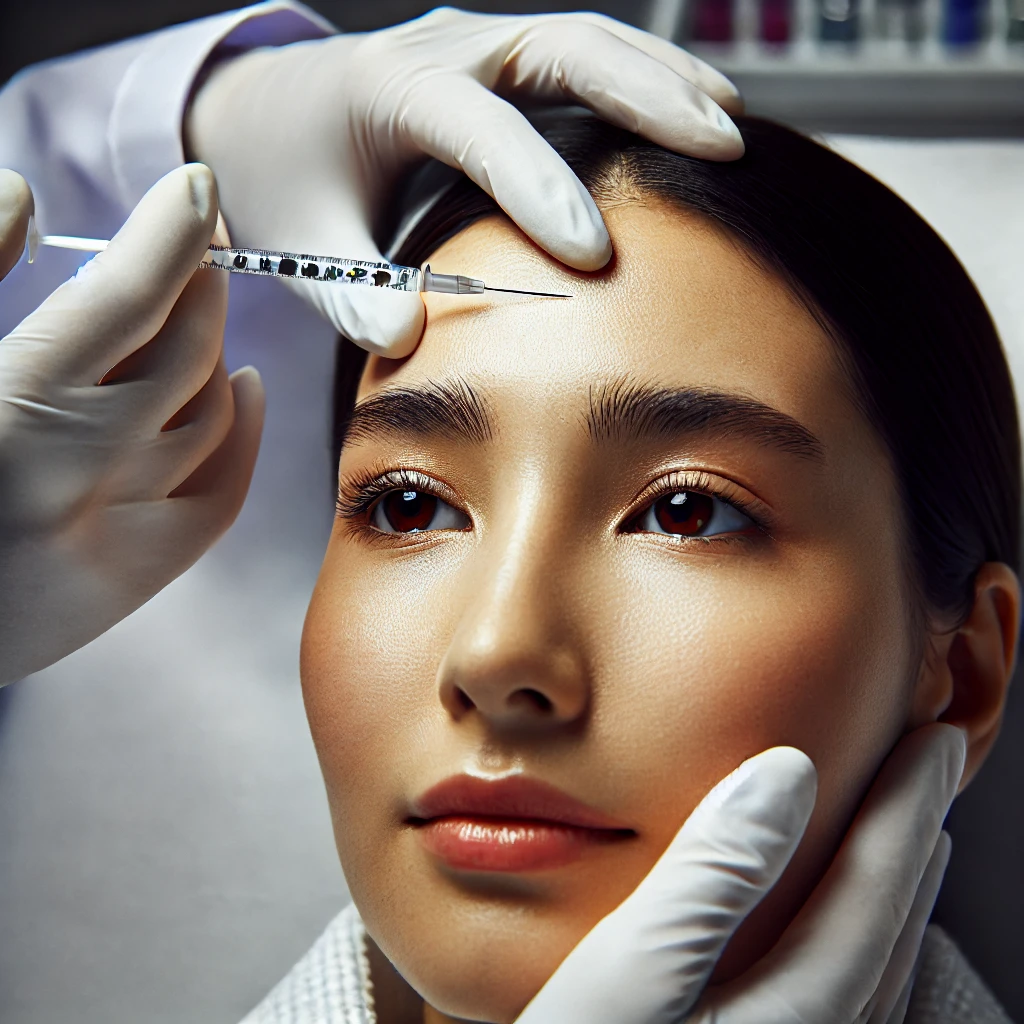
Botox, originally derived from the bacterium Clostridium botulinum, was initially used for medical purposes rather than cosmetic enhancements. The journey of Botox from a toxin to a transformative aesthetic treatment is fascinating. In the late 1970s, Dr. Alan Scott first used botulinum toxin type A for the treatment of strabismus (crossed eyes). Over the years, clinical research led by experts such as Dr. Jean Carruthers revolutionized the field by demonstrating that small doses of the toxin could reduce facial wrinkles. Today, the question “What exactly does Botox do?” is answered by its ability to temporarily relax muscles, leading to smoother skin and a rejuvenated appearance.
Early Medical Uses
Botox was initially approved by the FDA for the treatment of strabismus and blepharospasm in the 1980s. These early applications paved the way for exploring its potential in other medical conditions, including chronic migraines, excessive sweating (hyperhidrosis), and overactive bladder. With time, cosmetic applications emerged, providing patients with a minimally invasive option to address fine lines and wrinkles.
Transition to Cosmetic Use
By the early 2000s, Botox had become synonymous with cosmetic rejuvenation. The pioneering work of experts like Dr. Jean Carruthers and Dr. Alastair Carruthers, who observed its wrinkle-smoothing effects, played a crucial role in transitioning Botox into the realm of cosmetic medicine. Their studies and clinical trials provided the scientific foundation that answered the question “What exactly does Botox do?” by illustrating its ability to diminish dynamic wrinkles—those caused by repetitive facial movements.
Understanding the Science: Mechanism of Action
The mechanism behind Botox is both elegant and scientifically fascinating. When you ask, “What exactly does Botox do?” the answer lies in its interaction with the neuromuscular junction.
Neuromuscular Blockade
Botox works by blocking the release of acetylcholine, a neurotransmitter responsible for muscle contractions. By inhibiting this chemical messenger, Botox effectively reduces muscle activity. The result is a temporary relaxation of targeted muscles, leading to smoother skin and a reduction in the appearance of wrinkles. This mechanism is detailed in numerous scientific studies available on PubMed, which reinforce the understanding that Botox is a neuromodulator rather than a filler.
The Molecular Process
At the molecular level, Botox is composed of a purified form of botulinum toxin type A. Once injected into the muscle, the toxin binds to nerve endings and prevents the vesicle-associated membrane protein (VAMP) from releasing acetylcholine. This interruption in the transmission of nerve signals results in temporary muscle paralysis. Over time, as new nerve endings develop, the muscle regains its function, and the effects of Botox gradually diminish, typically over a period of three to four months.
Impact on Skin and Expression
When the underlying muscles are relaxed, the overlying skin appears smoother and less wrinkled. This is why Botox is particularly effective in treating dynamic wrinkles, such as frown lines, crow’s feet, and forehead creases. For many patients, the answer to “What exactly does Botox do?” is a visible reduction in signs of aging and a more youthful appearance, achieved through a subtle yet powerful modulation of muscle activity.
Cosmetic Applications: What exactly does Botox do?
Botox’s ability to reduce wrinkles is just one aspect of its many applications. As an aesthetic physician, I have seen firsthand how Botox can enhance facial harmony and rejuvenate appearances.
Facial Rejuvenation
Botox is primarily used to target dynamic wrinkles caused by repetitive muscle movements. These include:
• Glabellar Lines: The vertical lines between the eyebrows, often referred to as frown lines.
• Crow’s Feet: Fine lines radiating from the corners of the eyes.
• Forehead Lines: Horizontal lines across the forehead.
By relaxing these specific muscles, Botox creates a smoother, more relaxed appearance. Patients often report a refreshed look that maintains their natural expressions while diminishing unwanted wrinkles.
Contouring and Symmetry
In addition to reducing wrinkles, Botox can be used for facial contouring. For instance, strategically placed injections can slim the jawline by reducing the activity of the masseter muscles. This technique is popular among patients who desire a more contoured facial profile. Moreover, Botox can help correct asymmetries in facial expressions, ensuring a balanced and aesthetically pleasing result.
Medical Uses Beyond Aesthetics
While the primary focus of this article is cosmetic, it is important to note that Botox is also used for several medical conditions. For example, Botox injections have proven effective in reducing the frequency and severity of chronic migraines, treating muscle spasticity, and managing hyperhidrosis (excessive sweating). These diverse applications further answer the question “What exactly does Botox do?” by demonstrating its versatility as both a cosmetic and therapeutic agent.
Case Studies and Clinical Outcomes
Numerous clinical studies have demonstrated the efficacy and safety of Botox. For example, a study published in the Journal of Cosmetic Dermatology found that Botox significantly reduced the appearance of glabellar lines in a majority of patients. Additionally, real-world experiences shared by patients and practitioners consistently reinforce that Botox is a reliable solution for achieving natural-looking facial rejuvenation. For more detailed clinical evidence, you can refer to articles on Dermatology Times and PubMed.
The Procedure: What exactly does Botox do during treatment?
Understanding the procedure is crucial for anyone considering Botox injections. The treatment process is designed to be safe, efficient, and minimally invasive.
Pre-Procedure Consultation
The journey begins with a thorough consultation with a qualified aesthetic physician. During this consultation, the physician will evaluate the patient’s facial anatomy, discuss aesthetic goals, and determine the appropriate injection sites. It is during this phase that the question “What exactly does Botox do?” is addressed, as the physician explains how the treatment will target specific muscle groups to achieve the desired results.
The Injection Process
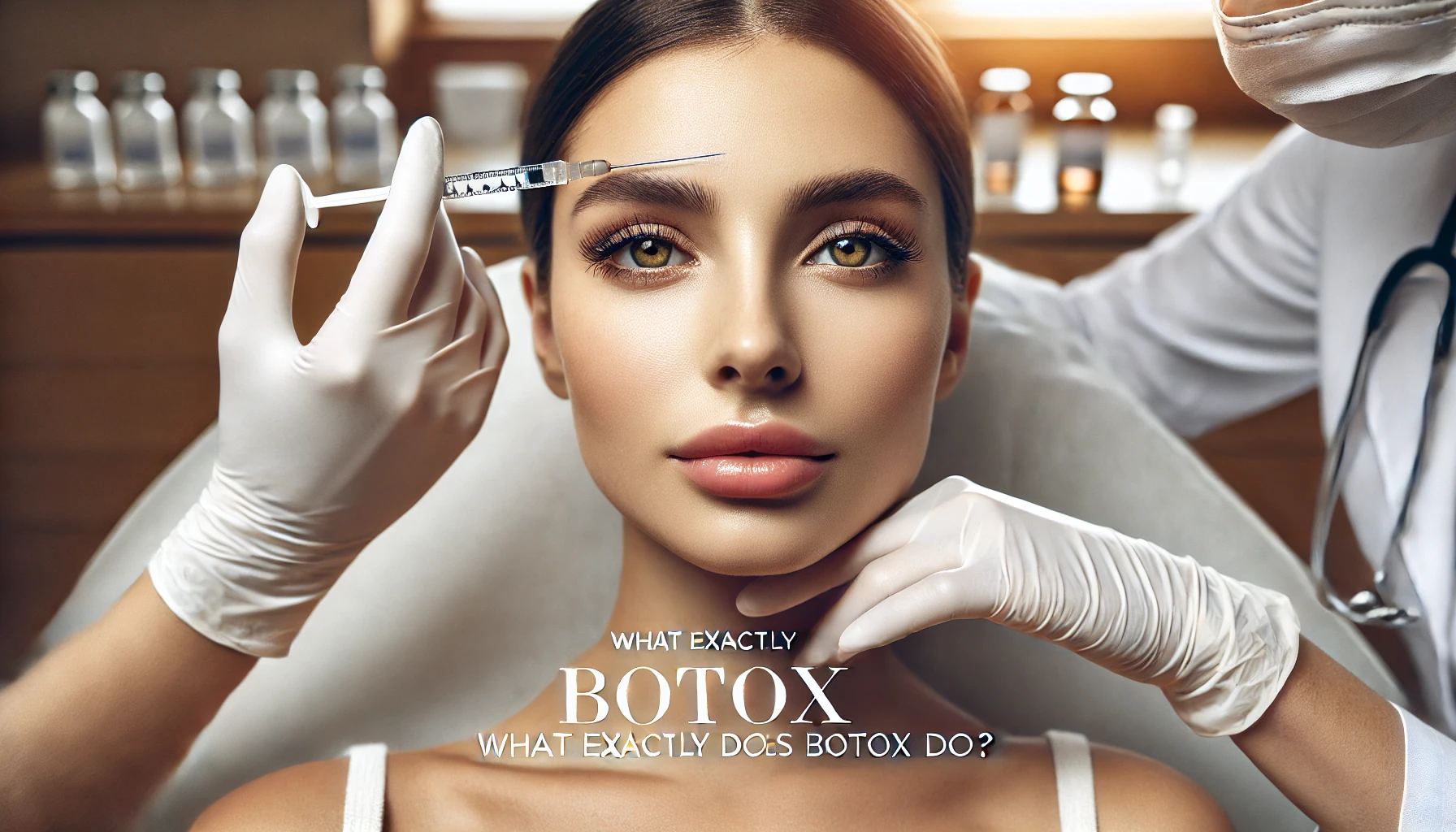
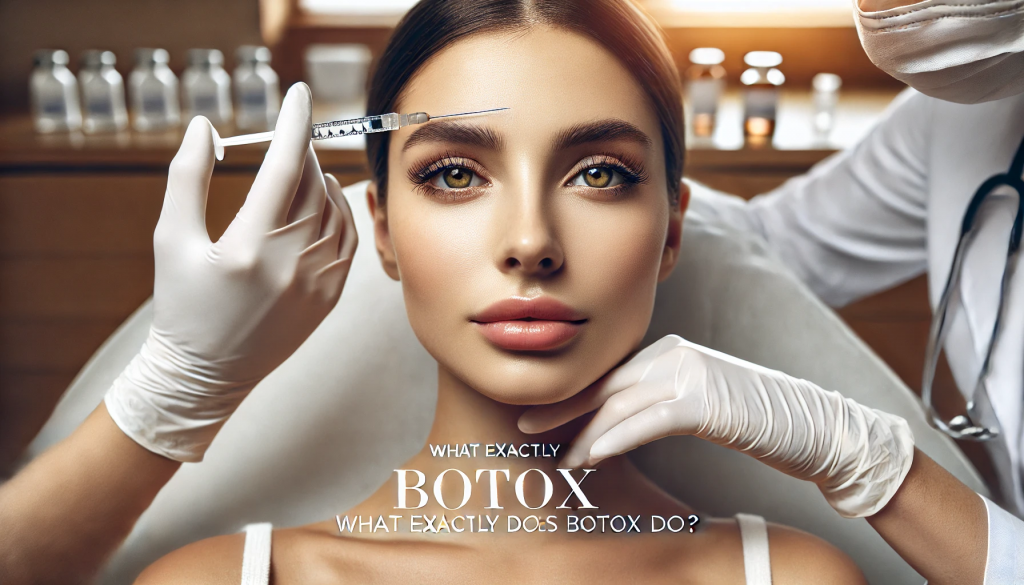
The actual injection process is relatively quick, typically taking about 10 to 20 minutes. Here’s a step-by-step breakdown of the procedure:
1. Cleansing and Marking:
The treatment area is cleansed, and the physician marks the injection points to ensure precision.
2. Injection:
Using a fine needle, small amounts of Botox are injected into the targeted muscles. Patients usually experience minimal discomfort during this process.
3. Post-Injection Instructions:
After the injections, patients are advised to avoid rubbing the area and to remain upright for several hours to prevent the toxin from spreading to unintended muscles.
Post-Procedure Effects
Within a few days following the treatment, patients begin to notice a gradual reduction in muscle activity, leading to smoother skin. The full effects of Botox are typically visible within two weeks. It is essential for patients to follow post-treatment care instructions to optimize results and minimize potential side effects. This detailed explanation of the procedure further clarifies what exactly does Botox do, providing reassurance and setting realistic expectations.
Safety and Side Effects
As with any medical procedure, safety is of paramount importance. When evaluating “What exactly does Botox do?” it is crucial to understand both the benefits and potential risks.
Common Side Effects
Most patients experience only minor side effects, such as:
• Redness and Swelling: Temporary redness or swelling at the injection site.
• Bruising: Mild bruising may occur, particularly if the injection is near superficial blood vessels.
• Headache: Some patients report a mild headache post-treatment.
These side effects typically resolve within a few days and are considered normal responses to the injection process.
Rare but Serious Risks
While Botox is generally safe when administered by an experienced professional, there are rare complications that patients should be aware of:
• Drooping Eyelids: Incorrect injection techniques can sometimes lead to temporary eyelid drooping.
• Muscle Weakness: In rare cases, excessive diffusion of the toxin may cause unwanted muscle weakness.
• Allergic Reactions: Though exceedingly uncommon, some individuals may experience allergic reactions.
For those seeking additional safety information, the U.S. Food and Drug Administration (FDA) provides detailed guidelines on Botox usage and contraindications.
Ensuring a Safe Treatment
The key to a safe and effective Botox treatment is choosing a board-certified specialist who is well-versed in facial anatomy and experienced in administering Botox. A detailed consultation and a customized treatment plan are essential for minimizing risks and ensuring that every injection is both safe and effective. This commitment to safety underscores the answer to “What exactly does Botox do?” by emphasizing its role as a meticulously controlled treatment.
Expert Opinions and Influential Quotes
To truly understand the impact of Botox, it is helpful to consider the insights of leading experts in the field. Numerous renowned practitioners have shared their experiences and perspectives on Botox, reinforcing its value as a cosmetic treatment.
Dr. Jean Carruthers on Aesthetic Innovation
Dr. Jean Carruthers, a pioneer in the field of aesthetic medicine, famously stated,
“Botox is not just a treatment; it is a tool for enhancing natural beauty and restoring confidence.”
Her statement encapsulates what exactly does Botox do—by softening wrinkles and harmonizing facial expressions, it empowers individuals to look as youthful as they feel.
Dr. Alastair Carruthers on Safety and Efficacy
Dr. Alastair Carruthers has also been a prominent voice in the realm of Botox treatments. He emphasizes the importance of precision and individualized care, noting,
“When administered correctly, Botox offers a safe and effective solution for both cosmetic and therapeutic applications.”
This perspective reinforces that, when performed by skilled professionals, Botox delivers results that answer the question “What exactly does Botox do?” with both efficacy and reliability.
Influential Voices in Cosmetic Medicine
Other experts in cosmetic medicine, including those affiliated with reputable institutions like the American Academy of Dermatology and the International Association for Physicians in Aesthetic Medicine, have echoed similar sentiments. Their collective expertise underscores that Botox is a transformative treatment, supported by decades of clinical research and real-world success stories.
The Impact on Patient Confidence
Beyond its physical benefits, Botox plays a significant role in enhancing patient confidence and overall well-being. Many patients seek Botox not only to improve their appearance but also to regain a sense of self-assurance that positively influences all areas of life.
Psychological Benefits
When patients ask, “What exactly does Botox do?” the answer extends beyond wrinkle reduction. Botox can help alleviate the self-consciousness associated with aging, contributing to improved mental health and quality of life. Patients often report feeling more vibrant, confident, and ready to engage with the world after a successful treatment. This psychological uplift is supported by clinical studies that indicate a strong correlation between aesthetic satisfaction and overall well-being.
Real Patient Testimonials
Patients from various backgrounds have shared their experiences, often emphasizing that the transformative effects of Botox go well beyond the physical. For instance, one patient noted,
“After my Botox treatment, I felt like I had turned back the clock. It wasn’t just about looking younger—it was about feeling rejuvenated and confident in my own skin.”
These testimonials provide compelling evidence of what exactly does Botox do: it enhances both external appearance and inner vitality.
Long-Term Satisfaction
Studies show that regular Botox treatments can lead to cumulative benefits, including prolonged improvements in skin texture and a sustained youthful appearance. For many patients, the regular maintenance of Botox treatments is a key part of their overall wellness routine. This long-term satisfaction and renewed self-image highlight the answer to “What exactly does Botox do?” by demonstrating lasting results and improved quality of life.
Integrating Botox into a Comprehensive Aesthetic Plan
Botox is often just one component of a broader aesthetic treatment strategy. Many patients combine Botox with other cosmetic procedures to achieve optimal results.
Combination Treatments
For individuals looking for a comprehensive rejuvenation plan, Botox can be integrated with treatments such as dermal fillers, laser resurfacing, and chemical peels. This multi-modality approach ensures that various aspects of facial aging are addressed, from volume loss to skin texture irregularities. When combined, these treatments offer a synergistic effect that enhances overall appearance and maximizes patient satisfaction. Each component of this plan answers the question “What exactly does Botox do?” by complementing and enhancing the outcomes of other procedures.
Customized Treatment Plans
As an experienced Botox specialist, I emphasize the importance of individualized treatment plans. Every patient is unique, and the approach to Botox must be tailored to their specific needs, facial structure, and aesthetic goals. During the consultation process, we discuss what exactly does Botox do for your particular concerns and outline a plan that balances Botox with any additional treatments that may be beneficial. This personalized strategy ensures that every patient achieves natural-looking, harmonious results.
The Role of Technology in Botox Treatments
Advancements in technology have further refined Botox administration. Modern imaging techniques and digital mapping of facial muscles allow for more precise injection placement. This precision minimizes side effects and maximizes treatment efficacy. The integration of technology into Botox procedures exemplifies what exactly does Botox do by enhancing its safety profile and optimizing aesthetic outcomes. For more on technological innovations in cosmetic medicine, consider exploring Harvard Health Publishing.
Addressing Common Concerns
It is natural for patients to have questions and concerns about Botox. Addressing these transparently is essential to understanding what exactly does Botox do and how it fits into your overall aesthetic journey.
Will Botox Change My Facial Expressions?
One of the most frequently asked questions is whether Botox will make your face appear frozen or unnatural. When administered by an experienced professional, Botox is designed to soften wrinkles while preserving natural expressions. The goal is to achieve a refreshed appearance without compromising your ability to smile, frown, or express emotions. This delicate balance answers the question “What exactly does Botox do?” by demonstrating that it can improve aesthetics without sacrificing expressiveness.
How Long Do the Effects Last?
Typically, the effects of Botox last between three to four months. However, many patients find that with regular treatments, the results can become more prolonged over time as the muscles gradually learn to relax. This longevity is a key factor in why patients continue to ask, “What exactly does Botox do?” and then choose to incorporate it into their long-term aesthetic maintenance.
Are There Any Alternatives?
While Botox is one of the most popular treatments for dynamic wrinkles, other options exist, including dermal fillers and laser therapies. Each treatment has its own benefits and applications. The decision on which treatment to pursue depends on the individual’s concerns and goals. Discussing these alternatives with a qualified professional will help clarify what exactly does Botox do in comparison to other procedures.
Economic Considerations and Accessibility
Another important aspect of understanding what exactly does Botox do involves the economic considerations and accessibility of the treatment. Botox has become increasingly affordable and accessible, making it a viable option for a broader range of patients.
Cost-Effectiveness
The cost of Botox treatments can vary based on geographic location, practitioner expertise, and the number of injection sites. However, many patients find that the benefits of a youthful appearance and improved self-confidence far outweigh the financial investment. Moreover, when Botox is part of a comprehensive aesthetic plan, the overall cost-effectiveness becomes even more apparent. For additional information on the cost and value of aesthetic treatments, reputable resources such as WebMD offer detailed analyses.
Insurance and Financing Options
Although Botox for cosmetic purposes is typically not covered by insurance, many clinics offer financing plans and package deals that make it more affordable. Understanding what exactly does Botox do, along with its long-term benefits, can help patients appreciate the value of investing in their appearance and overall well-being.
Future Trends in Botox and Aesthetic Medicine
The field of aesthetic medicine is constantly evolving, and Botox remains at the forefront of these advancements. Research and innovation continue to expand our understanding of what exactly does Botox do and how it can be optimized for better results.
New Formulations and Techniques
Researchers are exploring new formulations of botulinum toxin that may offer longer-lasting effects or a more refined profile of muscle relaxation. Additionally, techniques are continually being refined to ensure even more precise injection patterns, reducing the risk of side effects and enhancing natural outcomes.
Expansion of Therapeutic Uses
Beyond cosmetic applications, Botox is being investigated for a wider range of therapeutic uses. These include treatment for depression, post-traumatic stress disorder (PTSD), and other conditions that may benefit from its neuromodulatory effects. As these studies progress, the answer to “What exactly does Botox do?” will expand, further solidifying its role in both medical and cosmetic realms.
Personalized Aesthetic Medicine
Advancements in genetic profiling and digital imaging are paving the way for personalized aesthetic treatments. In the future, Botox treatments may be tailored not only to the patient’s facial structure but also to their unique genetic markers, ensuring the most effective and customized approach possible. This forward-thinking approach continues to answer the question “What exactly does Botox do?” by merging traditional expertise with cutting-edge technology.
The Role of Artificial Intelligence
Artificial intelligence is increasingly being integrated into aesthetic practices. AI can assist in mapping facial structures and predicting optimal injection sites based on individual muscle patterns. This integration not only improves safety and outcomes but also enhances the overall patient experience. By leveraging AI, practitioners can provide more predictable and satisfying results, answering again what exactly does Botox do with unparalleled precision.
Combining Botox with Other Aesthetic Treatments
For many patients, the best results come from combining Botox with other cosmetic procedures. This multimodal approach addresses a wide range of aesthetic concerns and enhances overall facial harmony.
Synergy with Dermal Fillers
Dermal fillers are often used in conjunction with Botox to address volume loss and deep wrinkles. While Botox relaxes muscles to smooth out wrinkles, fillers restore volume and contour the face. The synergy between these treatments provides a comprehensive answer to the question “What exactly does Botox do?” by offering a balanced solution for both dynamic and static wrinkles.
Laser Treatments and Skin Resurfacing
Laser therapies and chemical peels can improve skin texture and tone by stimulating collagen production. When used in combination with Botox, these treatments create a layered approach to rejuvenation, where Botox addresses muscle activity and lasers target skin quality. This multimodal treatment plan demonstrates that what exactly does Botox do is just one piece of a larger puzzle in achieving long-lasting, natural-looking results.
Micro-needling and Collagen Induction
Micro-needling is another technique that can complement Botox treatments by promoting collagen production and skin regeneration. The controlled micro-injuries created by the procedure trigger the body’s natural healing response, enhancing the effects of Botox and contributing to a smoother, more youthful appearance. This integrated approach further reinforces the role of Botox in a comprehensive aesthetic strategy.
Patient Education and Informed Consent
A critical component of any successful Botox treatment is patient education. Understanding what exactly does Botox do, along with its benefits and limitations, is essential for making informed decisions about aesthetic procedures.
Pre-Treatment Consultation
During the initial consultation, patients are provided with detailed information about the procedure, including how Botox works, what to expect during the treatment, and any potential side effects. This open dialogue ensures that patients are well-informed and comfortable with their decision to proceed. Educating patients about what exactly does Botox do builds trust and sets realistic expectations for the treatment outcome.
Informed Consent and Expectations
Prior to treatment, patients are required to sign an informed consent form that outlines the potential risks and benefits. This document is a critical part of the process, ensuring that patients understand exactly what does Botox do and the temporary nature of its effects. It also emphasizes the importance of following post-treatment care instructions to achieve the best possible results.
Ongoing Communication and Follow-Up
After the treatment, ongoing communication between the patient and the provider is essential. Follow-up appointments allow for the assessment of results and provide an opportunity to address any concerns. This continuous care model ensures that patients remain satisfied and fully understand what exactly does Botox do as their treatment progresses.
Frequently Asked Questions
To further clarify what exactly does Botox do, here are some frequently asked questions answered by experts in the field:
What exactly does Botox do to reduce wrinkles?
Botox works by temporarily blocking nerve signals to the muscles, leading to reduced muscle activity and smoother skin. This mechanism is particularly effective for dynamic wrinkles caused by repetitive facial expressions.
How long does it take to see results?
Most patients begin to notice improvements within 3 to 7 days, with full results visible by the two-week mark. The effects typically last 3 to 4 months.
Can Botox be combined with other treatments?
Yes, Botox is often combined with dermal fillers, laser treatments, and other procedures to achieve comprehensive facial rejuvenation. This combination approach maximizes aesthetic benefits.
Are there any long-term side effects?
When administered by a skilled professional, Botox is safe. Most side effects are temporary and include minor bruising or swelling. Long-term complications are rare.
Does Botox affect natural facial expressions?
When performed correctly, Botox smooths wrinkles without compromising natural expressions. The goal is to achieve a refreshed appearance while preserving the patient’s ability to smile and express emotions naturally.
The Role of Research and Clinical Studies
Ongoing research continues to expand our understanding of what exactly does Botox do. Numerous clinical studies have validated its safety and efficacy, reinforcing its role in both cosmetic and therapeutic settings.
Evidence from Peer-Reviewed Journals
Research published in journals such as the Journal of Cosmetic Dermatology and Plastic and Reconstructive Surgery has demonstrated the positive impact of Botox on facial wrinkles, muscle activity, and overall patient satisfaction. These studies confirm that what exactly does Botox do is backed by rigorous scientific inquiry and clinical evidence.
Contributions from Leading Institutions
Institutions like the Harvard School of Dental Medicine and Cleveland Clinic have contributed valuable research to the field of aesthetic medicine. Their work continues to support the clinical benefits of Botox and provides a framework for understanding its diverse applications.
Future Research Directions
Future studies are focused on enhancing the duration of Botox’s effects, refining injection techniques, and exploring new applications for the toxin. This ongoing research will continue to answer the question “What exactly does Botox do?” in increasingly precise and innovative ways.
Ethical Considerations in Botox Administration
As with any medical treatment, ethical considerations are paramount in the administration of Botox. Understanding what exactly does Botox do involves not only a scientific perspective but also a commitment to patient safety, transparency, and ethical practice.
Ensuring Patient Safety
Ethical Botox administration begins with patient safety. All procedures should be performed by licensed professionals who adhere to strict clinical guidelines and ethical standards. Detailed consultations, informed consent, and continuous monitoring are essential components of ethical practice in aesthetic medicine.
Transparency and Honesty
Patients deserve full disclosure about the potential risks and benefits of Botox treatments. Transparency in communication builds trust and ensures that patients have realistic expectations about what exactly does Botox do and what outcomes they can anticipate.
Balancing Aesthetics and Medical Integrity
While the desire for aesthetic improvement is strong, it is essential that treatments like Botox are administered with the highest levels of medical integrity. This means avoiding over-treatment, respecting natural facial dynamics, and always prioritizing the patient’s overall well-being.
Conclusion
The question “What exactly does Botox do?” encompasses a multifaceted answer that spans science, aesthetics, and patient care. Botox works by inhibiting the release of acetylcholine at the neuromuscular junction, leading to a temporary relaxation of muscles and a subsequent smoothing of wrinkles. Its applications in cosmetic medicine extend from reducing dynamic wrinkles to enhancing facial symmetry and even addressing certain medical conditions. As a Botox specialist and aesthetic physician, I have witnessed firsthand the transformative effects of this treatment on patient confidence and overall quality of life.
This comprehensive guide has explored the history, mechanism, clinical applications, and future of Botox. By integrating expert opinions, clinical research, and practical insights, we have addressed the question “What exactly does Botox do?” in a manner that is both scientifically sound and deeply reassuring to patients. Whether you are considering Botox for cosmetic rejuvenation or therapeutic purposes, the key takeaway is that Botox offers a safe, effective, and customizable solution for enhancing natural beauty and restoring youthful vibrancy.
For those interested in further exploring the benefits and applications of Botox, I encourage you to consult additional resources such as American Society of Plastic Surgeons, Mayo Clinic, and PubMed. These reputable sources provide a wealth of information and clinical data that continue to support and expand our understanding of what exactly does Botox do.
In summary, Botox represents a remarkable convergence of ancient toxin research and modern aesthetic innovation. Its ability to deliver natural-looking results while maintaining essential facial expressions makes it a cornerstone of contemporary cosmetic medicine. By consistently answering the question “What exactly does Botox do?” through ongoing research, patient education, and clinical excellence, the field of aesthetic medicine continues to evolve, promising even greater advancements in the years to come.
As we look to the future, Botox remains not only a treatment for the signs of aging but also a symbol of personalized, precise, and ethical aesthetic care. Embracing both the art and science of Botox, patients can achieve rejuvenation that is tailored to their unique facial anatomy and personal goals. This enduring legacy answers the enduring question: What exactly does Botox do? It smooths wrinkles, enhances natural beauty, and ultimately empowers individuals to look as young as they feel.
Through a careful balance of scientific rigor, artistic precision, and compassionate care, Botox will continue to transform lives, one subtle injection at a time. Whether you are seeking to reduce the appearance of crow’s feet, soften frown lines, or restore balance to your facial features, the answer to “What exactly does Botox do?” is a promise of renewed confidence and a radiant, natural look.
In this ever-evolving landscape of cosmetic medicine, it is essential to stay informed and work with qualified professionals who prioritize safety and individualized treatment plans. By doing so, you can enjoy the benefits of Botox and experience firsthand the remarkable difference it can make in your appearance and self-esteem.
What exactly does Botox do? It rejuvenates the skin by relaxing targeted muscles, reduces dynamic wrinkles, and ultimately creates a smoother, more youthful facial appearance. With ongoing advancements and a deep commitment to patient care, Botox continues to be a leading solution in the world of aesthetic medicine.
This comprehensive exploration provides a detailed understanding of Botox, from its history and scientific basis to its practical applications and future directions. By repeatedly addressing the query “What exactly does Botox do?” this article aims to be the definitive resource for anyone seeking to learn about this transformative treatment.