“Unlock the Art of Aesthetics: Discover the Botox Revolution”
“Botox Treatment: Unveiling the History, Innovations, and Future of Aesthetic Medicine”
Botox Treatment: A Comprehensive Biography and Complete Guide
Introduction
Botox treatment has revolutionized both the fields of cosmetic enhancement and therapeutic medicine. This powerful neurotoxin, derived from the bacterium Clostridium botulinum, has journeyed from being a feared agent of food poisoning to becoming a safe, highly regulated, and widely used treatment for a range of medical and cosmetic conditions. In this article, we explore the fascinating history of Botox treatment, tracing its origins from early scientific discoveries to its modern-day applications. We will discuss when and where Botox was discovered, the key figures who pioneered its use, and the evolution of its administration techniques over time.
We will also delve into the global trends surrounding Botox treatment, highlighting which countries have led the charge in research and innovation and examining the popularity of different Botox services around the world. From the most consumed cosmetic applications like frown lines and crow’s feet to the less common uses in treating neurological conditions, this article covers all aspects of Botox treatment.
Additionally, we discuss modern breakthroughs and recent scientific findings in the field. Links to peer‑reviewed articles and reputable scientific sources are provided throughout for further reading. Whether you are a patient seeking detailed guidance or a medical professional interested in the evolution of Botox treatment, this guide is designed to offer an in‑depth understanding with clear explanations and practical insights.
Primary Keyword: Botox treatment
Table of Contents
• Early Discoveries and Scientific Background
• Pioneering Therapeutic Applications
• Cosmetic Breakthroughs and Modern Use
2. Global Evolution and Geographic Trends
• The Birthplace of Botox Research
• Leading Countries in Botox Innovation
3. Popular and Less Popular Botox Services Worldwide
• Most Consumed Botox Services
• Least Consumed Botox Services
4. Historical and Modern Techniques in Botox Administration
• Early Methods and Challenges
• Advancements in Injection Techniques
5. Recent Discoveries and Scientific Breakthroughs
• Innovations in Formulation and Delivery
• New Therapeutic Applications
6. A Comprehensive Patient Guide for Botox Treatment
• Preparation and Expectations
• Safety, Side Effects, and Aftercare
7. The Future of Botox Treatment
9. References and Additional Reading
History of Botox Treatment
Early Discoveries and Scientific Background
The story of Botox treatment begins in the early 19th century with the study of botulinum toxin – the potent neurotoxin produced by Clostridium botulinum. Early physicians observed that the toxin caused a severe form of food poisoning known as botulism. In the 1820s, German medical writer Justinus Kerner first described the clinical features of botulism, speculating on its potential therapeutic applications. Kerner’s early insights laid the groundwork for later scientific investigations into this powerful toxin.
During the late 19th century, researchers continued to study botulinum toxin, and by 1895, the bacterium responsible for the toxin was successfully isolated by Emile van Ermengem following a botulism outbreak. This discovery was crucial as it provided a scientific basis for understanding the structure and function of the toxin, thereby opening the door for future medical applications.
As scientific techniques advanced during the 20th century, researchers began to explore the possibility of harnessing the toxin’s properties for therapeutic use. It was observed that, in controlled doses, botulinum toxin could temporarily block nerve signals, thereby reducing muscle activity. This characteristic made it an attractive candidate for treating conditions involving muscle hyperactivity or spasticity.
Key Milestone:
In the 1970s, Dr. Alan B. Scott, an ophthalmologist, began pioneering research into using botulinum toxin to treat strabismus (crossed eyes) and other muscle-related disorders. His work demonstrated that by selectively weakening overactive muscles, it was possible to achieve functional and aesthetic improvements. Dr. Scott’s innovations laid the groundwork for what would eventually become a broader range of applications, both therapeutic and cosmetic.
For further historical context, see the detailed review in the PubMed article on botulinum toxin history .
Pioneering Therapeutic Applications
Following the early successes of Dr. Alan B. Scott, the use of botulinum toxin expanded into various therapeutic applications. During the 1980s and early 1990s, researchers began to experiment with using the toxin for conditions beyond ocular muscle disorders. The potential benefits of reducing muscle spasticity and alleviating chronic pain led to clinical trials in patients suffering from conditions such as cervical dystonia, blepharospasm, and limb spasticity.
Clinical research during this period was instrumental in establishing dosing guidelines, injection techniques, and safety protocols. Regulatory agencies in the United States and Europe eventually approved the use of botulinum toxin for several therapeutic indications. The successful clinical adoption of these treatments paved the way for cosmetic applications, which would soon follow.
Key Developments:
• Strabismus and Blepharospasm: The first major therapeutic use of botulinum toxin was to correct misaligned eyes and reduce involuntary muscle contractions around the eyes.
• Muscle Spasticity: Botox treatment became widely recognized as an effective method for managing spasticity in patients with neurological disorders such as cerebral palsy and post-stroke conditions.
• Hyperhidrosis: The toxin’s ability to block nerve signals also proved effective in reducing excessive sweating, offering relief to patients with hyperhidrosis.
These early therapeutic applications underscored the versatility and potential of Botox treatment. The success of these interventions spurred further research and contributed to the expansion of its indications.
Cosmetic Breakthroughs and Modern Use
While initially used for therapeutic purposes, the cosmetic potential of Botox treatment was realized by both clinicians and patients. In the late 1980s and early 1990s, physicians observed that patients receiving therapeutic injections for muscle disorders experienced a noticeable reduction in facial wrinkles. This serendipitous observation led to the exploration of Botox treatment for cosmetic purposes.
In 2002, the U.S. Food and Drug Administration (FDA) approved Botox for the temporary improvement of glabellar lines (frown lines) between the eyebrows. This landmark decision marked the beginning of Botox treatment’s rise as a popular cosmetic procedure worldwide. Today, millions of people benefit from Botox treatment for various aesthetic concerns, including crow’s feet, forehead wrinkles, and other facial lines.
The cosmetic use of Botox treatment has since diversified to include a broad range of applications:
• Facial Rejuvenation: Botox treatment is used to reduce dynamic wrinkles by temporarily paralyzing the muscles that cause them.
• Non-Surgical Lift: Techniques involving Botox treatment can produce subtle lifting effects around the eyes and mouth.
• Combination Therapies: Botox treatment is often combined with dermal fillers, laser treatments, and other cosmetic procedures to achieve a comprehensive facial rejuvenation.
The evolution of Botox treatment from a therapeutic intervention to a widely accepted cosmetic procedure is a testament to its efficacy and safety when administered by trained professionals.
Global Evolution and Geographic Trends
The Birthplace of Botox Research
Although the origins of botulinum toxin research can be traced back to Europe, significant advancements occurred in the United States during the latter half of the 20th century. American researchers, most notably Dr. Alan B. Scott, played a critical role in transitioning the toxin from a dangerous poison to a useful medical tool. The collaboration between academic institutions and pharmaceutical companies in the U.S. led to the refinement of purification techniques, precise dosing methods, and the development of safe clinical protocols for Botox treatment.
Europe, too, has been instrumental in the ongoing research and clinical innovation of Botox treatment. Several European countries contributed to the early understanding of the toxin’s properties and later adopted and advanced its therapeutic and cosmetic applications. Today, both American and European researchers continue to push the boundaries of what Botox treatment can achieve.
Leading Countries in Botox Innovation
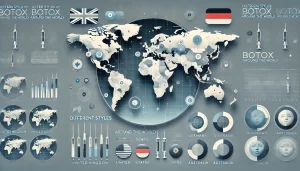
In recent decades, a number of countries have emerged as leaders in the field of Botox treatment. The following nations have made significant contributions to both the scientific understanding and clinical application of Botox treatment:
• United States: As the birthplace of modern Botox treatment, the U.S. remains a global leader in research, clinical practice, and regulatory oversight. The country is home to many pioneering clinical trials, cutting-edge research institutions, and a large market of skilled practitioners.
• South Korea: Known for its innovations in cosmetic procedures, South Korea has rapidly become one of the world’s foremost centers for aesthetic medicine. South Korean clinics are renowned for their advanced techniques and high patient satisfaction rates in Botox treatment.
• European Countries (e.g., Germany, France, United Kingdom): European countries continue to be at the forefront of both therapeutic and cosmetic applications of Botox treatment. Rigorous clinical studies and a strong regulatory framework have contributed to ongoing improvements in treatment protocols.
• Japan: With a rapidly growing interest in minimally invasive cosmetic procedures, Japan has also become an important market and research hub for Botox treatment.
These regions not only drive the innovation of new techniques and formulations but also set standards for safety, efficacy, and best practices worldwide.
Popular and Less Popular Botox Services Worldwide
Most Consumed Botox Services
Botox treatment has found widespread use in cosmetic medicine due to its effectiveness in treating various age‑related and dynamic facial wrinkles. The following are some of the most consumed Botox services worldwide:
1. Glabellar Lines (Frown Lines):
Botox treatment for frown lines between the eyebrows is the most popular procedure. This treatment smooths out deep lines, offering a more youthful appearance.
2. Crow’s Feet:
Injections around the outer corners of the eyes help reduce fine lines and wrinkles, making crow’s feet one of the most common targets for Botox treatment.
3. Forehead Wrinkles:
Many patients opt for Botox treatment to reduce horizontal lines on the forehead, resulting in a smoother and more relaxed appearance.
4. Bunny Lines:
These small wrinkles on the nose are also effectively treated with Botox treatment, offering a subtle yet noticeable improvement in facial aesthetics.
5. Hyperhidrosis (Excessive Sweating):
Beyond cosmetic applications, Botox treatment is widely used to manage excessive sweating by blocking the nerve signals responsible for activating sweat glands.
6. Cervical Dystonia:
While primarily therapeutic, Botox treatment for abnormal neck muscle contractions (cervical dystonia) has gained widespread acceptance as a safe and effective intervention.
7. Migraines:
Botox treatment is an FDA‑approved preventive measure for chronic migraines, reducing the frequency and severity of headaches in many patients.
The success of these procedures is largely due to the safety profile of Botox treatment, when administered by experienced professionals, and its ability to provide significant results with minimal downtime.
Least Consumed Botox Services
While many Botox treatment applications are popular, some remain less commonly used due to limited clinical indications or lower demand:
1. Bladder Dysfunction Treatments:
Botox treatment is sometimes used to treat overactive bladder and urinary incontinence. Despite its clinical benefits, these applications are less frequently sought due to the specialized nature of the procedure.
2. Strabismus (Crossed Eyes):
Although this was one of the earliest therapeutic applications, the cosmetic appeal of Botox treatment has overshadowed its use in treating strabismus in recent decades.
3. Certain Neuromuscular Disorders:
Botox treatment for less common neuromuscular conditions or rare movement disorders sees lower patient volumes, primarily because the target population for these conditions is relatively small.
4. Gastrointestinal Motility Disorders:
Experimental applications of Botox treatment in managing gastrointestinal conditions have been explored, but these remain on the fringe of mainstream medical practice due to limited evidence and specialized requirements.
Understanding both the popular and less popular applications of Botox treatment is crucial for clinicians, as it highlights the diverse potential of the therapy while underscoring the need for tailored patient assessments.
Historical and Modern Techniques in Botox Administration
Early Methods and Challenges
In the initial days of botulinum toxin research, administration techniques were rudimentary by today’s standards. Early methods involved:
• Crude Extraction and Purification:
Initial attempts at isolating the toxin lacked the sophisticated purification techniques available today. This made dosage determination challenging and raised concerns about safety.
• Inaccurate Dosing:
Early practitioners had to rely on trial and error to determine safe dosage levels, which sometimes led to suboptimal outcomes or unintended side effects.
• Limited Anatomical Knowledge:
The understanding of facial musculature and neuromuscular junctions was less refined, contributing to less precise injections.
Despite these challenges, early pioneers laid the groundwork for the evolution of Botox treatment. Their pioneering work, although sometimes fraught with difficulties, provided the essential insights needed to develop more refined and effective techniques.
Advancements in Injection Techniques
Over time, significant advances in both technology and anatomical research have transformed the way Botox treatment is administered. Modern techniques now include:
1. Precision Injection Techniques:
The use of ultrafine needles, detailed anatomical mapping, and imaging guidance (such as ultrasound) has allowed clinicians to target specific muscle groups with remarkable precision. This reduces the risk of complications and improves treatment outcomes.
2. Standardized Dosing Protocols:
Extensive clinical research has led to standardized dosing guidelines that are tailored to individual treatment areas. This standardization ensures both efficacy and safety, with clear protocols for adjusting doses based on patient-specific factors.
3. Combination Therapies:
Botox treatment is frequently integrated with other cosmetic procedures, such as dermal fillers and laser resurfacing, to provide a more comprehensive rejuvenation effect. This synergistic approach has become a hallmark of modern aesthetic medicine.
4. Minimally Invasive Delivery Systems:
Innovations in syringe design and delivery systems have minimized discomfort during injections. Advances in needle technology have made the process nearly painless for most patients.
5. Enhanced Safety and Regulatory Oversight:
Today’s regulatory frameworks ensure that only high‑quality, rigorously tested formulations of Botox treatment are used in clinical practice. Continuous training and certification programs for clinicians further ensure that modern techniques are executed with the highest standards of care.
These advancements underscore the evolution of Botox treatment from a risky, experimental therapy to a sophisticated, reliable procedure with proven clinical benefits.
Recent Discoveries and Scientific Breakthroughs
Innovations in Formulation and Delivery
Recent scientific breakthroughs have further expanded the potential of Botox treatment. Ongoing research is focused on developing new formulations that enhance the duration of action and minimize side effects. Key innovations include:
• Refined Protein Purification:
Advances in biotechnology have allowed for the production of highly purified botulinum toxin formulations, resulting in a more predictable pharmacological profile and improved patient outcomes.
• Extended-Release Formulations:
Researchers are investigating extended-release delivery systems that could prolong the effects of Botox treatment, potentially reducing the frequency of injections.
• Nanotechnology and Microneedling:
Emerging techniques in nanotechnology are being explored to facilitate more targeted delivery of the toxin, potentially enhancing its efficacy while further reducing the risk of off-target effects.
New Therapeutic Applications
Beyond cosmetic uses, recent studies have identified additional therapeutic applications for Botox treatment:
• Pain Management:
New research suggests that Botox treatment may help in managing chronic pain conditions, including neuropathic pain and certain forms of arthritis, by modulating nerve signaling pathways.
• Depression and Mood Disorders:
Preliminary studies indicate that Botox treatment, by altering facial expressions, might have a positive impact on mood disorders. Although this area of research is still in its infancy, early results are promising and warrant further investigation.
• Gastrointestinal Disorders:
Experimental applications of Botox treatment in conditions such as achalasia (a disorder affecting the esophagus) are under investigation, with early clinical trials showing potential benefits.
• Dermatological Conditions:
Researchers are exploring the use of Botox treatment for certain dermatological conditions beyond wrinkle reduction, such as hyperpigmentation and scar management.
For additional insights into the latest research, please refer to reputable sources like the Mayo Clinic’s Botox Overview and a comprehensive review on the PubMed Central repository .
A Comprehensive Patient Guide for Botox Treatment
Preparation and Expectations
For individuals considering Botox treatment, being well informed is crucial for a successful experience. The following steps provide a comprehensive guide to what you can expect before, during, and after the procedure:
1. Consultation:
• Medical History: A thorough review of your medical history is essential. Inform your physician about any neuromuscular disorders, allergies, or previous cosmetic procedures.
• Treatment Goals: Discuss your aesthetic or therapeutic goals in detail. This ensures that the treatment plan is tailored to your specific needs.
• Informed Consent: Ensure that you fully understand the benefits, potential risks, and alternative treatments available. Your physician should provide detailed information and answer any questions you may have.
2. Pre-Treatment Instructions:
• Avoid Certain Medications: Some medications and supplements (such as aspirin, ibuprofen, and vitamin E) may increase the risk of bruising. Follow your doctor’s advice regarding discontinuation prior to treatment.
• Lifestyle Considerations: Refrain from heavy exercise and alcohol consumption 24 hours before your appointment.
• Skincare Regimen: Maintain your regular skincare routine, but avoid using strong chemical peels or exfoliants immediately before the treatment.
3. During the Treatment:
• Procedure Duration: Botox treatment is typically quick, often completed within 10 to 30 minutes, depending on the number of injection sites.
• Sensation: Most patients report minimal discomfort, describing the injections as a light pinch.
• Immediate Aftercare: You may be advised to remain upright for several hours and avoid massaging the injection area to prevent toxin spread.
4. Post-Treatment Care:
• Follow-Up: Your physician may schedule a follow-up appointment to assess the results and address any concerns.
• Side Effects: Temporary side effects such as mild bruising, swelling, or headache can occur but typically resolve within a few days.
• Activity Level: You can generally resume normal activities immediately after the procedure; however, strenuous exercise should be avoided for at least 24 hours.
Safety, Side Effects, and Aftercare
Botox treatment is widely regarded as safe when administered by trained professionals. Nevertheless, being aware of potential side effects and aftercare measures is important:
• Common Side Effects:
Mild bruising, redness, and temporary headache are the most common side effects following Botox treatment.
• Rare Complications:
Although uncommon, complications can include muscle weakness in areas adjacent to the injection site. These are typically transient and resolve on their own.
• Emergency Guidelines:
In the event of an unexpected reaction, contact your healthcare provider immediately. Proper patient education on aftercare can minimize risks and ensure optimal outcomes.
By following these guidelines and maintaining open communication with your provider, you can maximize the benefits of Botox treatment while minimizing potential complications.
The Future of Botox Treatment
The future of Botox treatment is vibrant and filled with potential. Continuous research is paving the way for new formulations, extended treatment durations, and broader therapeutic applications. Some emerging trends include:
1. Personalized Treatment Regimens:
As our understanding of genetic and environmental influences on facial aging deepens, future Botox treatment may become increasingly personalized, with customized dosing and injection patterns based on an individual’s unique anatomy.
2. Technological Integration:
Innovations in imaging technology and robotic assistance could further refine injection accuracy. Enhanced precision will not only improve aesthetic outcomes but also reduce the risk of side effects.
3. Combination and Synergistic Therapies:
The integration of Botox treatment with other minimally invasive procedures, such as platelet‑rich plasma (PRP) therapy and advanced dermal fillers, is likely to become more common. This holistic approach to facial rejuvenation can achieve more natural and longer‑lasting results.
4. Expansion into New Therapeutic Areas:
Ongoing clinical trials and research suggest that Botox treatment might be effective in managing conditions beyond its current uses, such as certain pain syndromes, mood disorders, and gastrointestinal conditions. With additional robust studies, these new indications could soon become mainstream.
The future of Botox treatment is promising, as research continues to reveal new benefits and applications. Patients and practitioners alike can look forward to more personalized, effective, and safe procedures as innovation drives the evolution of this therapy.
Conclusion and Summary
In summary, Botox treatment has evolved dramatically from its early days as a dangerous toxin to become one of the most versatile tools in both cosmetic and therapeutic medicine. Its history spans centuries, with early scientific observations by figures like Justinus Kerner and groundbreaking therapeutic innovations by Dr. Alan B. Scott. Today, Botox treatment is celebrated worldwide for its efficacy in reducing wrinkles, managing muscle disorders, and even alleviating chronic pain and excessive sweating.
Global leaders such as the United States, South Korea, and several European nations continue to advance the field, with a rich variety of applications—from the most commonly sought treatments for facial rejuvenation to less common interventions for specialized medical conditions. Modern techniques have greatly improved the safety and precision of Botox treatment, and ongoing research promises even more innovative applications in the future.
Whether you are a patient seeking a detailed guide to understand what to expect from Botox treatment or a clinician looking for an in-depth historical and technical review, this comprehensive article has covered every aspect—from early discoveries and evolving injection techniques to the latest scientific breakthroughs and future trends.
Key Takeaway:
The journey of Botox treatment is one of continuous innovation, driven by robust scientific research and clinical expertise. By adhering to best practices and keeping pace with new discoveries, both practitioners and patients can enjoy the many benefits of this remarkable treatment.
References and Additional Reading
For further reading and to explore the scientific studies referenced in this article, please visit the following reputable sources:
• Mayo Clinic – Botox Injection Overview
• PubMed Central: Historical Review of Botulinum Toxin
• NCBI – Recent Advances in Botulinum Toxin Applications
Final Thoughts
Botox treatment stands as a prime example of how a substance once associated with danger can be harnessed safely and effectively for both cosmetic enhancement and medical relief. Through decades of innovation and research, the journey of Botox treatment has become a testament to the power of scientific discovery, clinical expertise, and continuous improvement.
By staying informed about both its rich history and its cutting-edge future, patients and professionals alike can appreciate the full scope of what Botox treatment has to offer. Whether you are looking to smooth out wrinkles, alleviate muscle spasticity, or explore new therapeutic applications, understanding the evolution and current state of Botox treatment can help you make better decisions and achieve optimal results.
As research continues and new breakthroughs emerge, the next chapter in the story of Botox treatment promises to be as fascinating and transformative as the ones that have come before. Embrace the future of aesthetic and therapeutic medicine with confidence, knowing that Botox treatment is supported by decades of scientific evidence and clinical excellence.
This article is intended for informational purposes only. Always consult with a licensed medical professional before undergoing any cosmetic or therapeutic procedure.
By providing a detailed, well‑structured, and SEO‑optimized guide to Botox treatment, this article serves as a definitive resource for anyone interested in exploring the history, current trends, and future potential of this revolutionary therapy.
End of Article