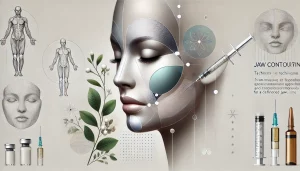
Botox Vs dermal fillers
“Unmasking Beauty’s Dark Secrets: Botox vs. Fillers – The Shocking Truth Revealed!”
A Comprehensive, UK-Focused Guide to Achieving Natural, Youthful Aesthetics 💉✨
Botox vs Dermal Fillers: Which Treatment Is Right for You?
A Comprehensive, UK-Focused Guide to Achieving Natural, Youthful Aesthetics 💉✨
Table of Contents
1. Introduction
2.1 What is Botox?
3. Comparing Botox and Dermal Fillers
4. Age and Candidate Considerations
4.2 Ideal Age for Dermal Fillers
4.3 Who is the Right Candidate?
5. Treatment Areas and Techniques
7. The “Black Box” of Botox and Fillers
7.1 Hidden Secrets and Controversies
7.2 Future Trends and Innovations
8. Best Materials and Value for Botox
9. Cultural Insights: A UK Perspective
10. Conclusion: Making an Informed Decision
11. References & Further Reading
1. Introduction
In the fast-evolving world of cosmetic treatments, two names have become almost synonymous with the quest for youthful, wrinkle-free skin: Botox and dermal fillers. But while these treatments are often mentioned in the same breath, they serve very different purposes. If you’ve ever wondered, “Which treatment is right for me?” or “What’s the difference between Botox and dermal fillers?”, you’re in the right place.
This article is designed to provide a thorough, accessible, and humorous breakdown of both treatments. We’ll explore everything from the science behind them, the ideal age to begin treatment, the most effective treatment areas, and even delve into the so-called “black box” of hidden secrets surrounding Botox. For additional authoritative insights, you can visit trusted sources like the NHS Botox Information, Mayo Clinic’s Botox Guide, and RealSelf.
So, whether you’re considering Botox, dermal fillers, or a combination of both, let’s embark on this enlightening journey together. Ready to discover the perfect treatment for your aesthetic goals? Let’s dive in! 😃💉
2. Understanding the Basics
Before we compare these two treatments head-to-head, it’s essential to understand what each one is and how it works.
2.1 What is Botox?
Botox is a purified protein derived from the bacterium Clostridium botulinum. Although it might sound ominous, this protein has been used safely for decades in both medical and cosmetic procedures. When injected in small, precise doses, Botox blocks nerve signals to specific muscles, temporarily relaxing them. This results in a reduction of wrinkles and fine lines—especially those caused by repetitive facial expressions.
Key benefits of Botox include:
• Reduces forehead wrinkles and frown lines.
• Minimises crow’s feet around the eyes.
• Prevents the formation of new wrinkles when used as a preventative measure.
For a detailed explanation, check out the Mayo Clinic’s Botox Overview and RealSelf’s Botox section.
💡 Fun Fact: Many UK celebrities swear by Botox for that “natural but refreshed” look!
2.2 What Are Dermal Fillers?
Dermal fillers are injectable substances used to add volume, smooth out deep wrinkles, and enhance facial contours. Unlike Botox, which works by relaxing muscles, dermal fillers physically fill in the space under the skin. They are typically made from hyaluronic acid (a substance naturally found in the body), though other materials like calcium hydroxylapatite and poly-L-lactic acid are also used.
Key benefits of dermal fillers include:
• Restoring volume to areas that have lost fullness.
• Smoothing out deep wrinkles and folds.
• Enhancing facial features such as the lips, cheeks, and jawline.
For more detailed information, visit RealSelf’s Dermal Fillers Guide and the NHS page on cosmetic injections.
💉 Icon Insight: Think of dermal fillers as your natural “volume boost” for a more youthful, plump appearance.
3. Comparing Botox and Dermal Fillers
Now that we’ve defined what Botox and dermal fillers are, let’s compare them directly to help you decide which might be right for you.
3.1 Mechanism of Action
• Botox:
Works by blocking nerve signals to targeted muscles, causing temporary relaxation. This smooths out wrinkles caused by muscle contractions.
👉 For scientific details, see Mayo Clinic.
• Dermal Fillers:
Work by physically filling the space under the skin to add volume and reduce the appearance of wrinkles. The most common filler, hyaluronic acid, naturally attracts water, plumping up the skin.
👉 Learn more at RealSelf.
3.2 Primary Uses & Benefits
Botox:
• Wrinkle Reduction:
Most effective for dynamic wrinkles (those caused by repeated facial expressions), such as frown lines, crow’s feet, and forehead wrinkles.
• Preventative Use:
Can be used in younger patients to prevent the deepening of lines over time.
• Medical Applications:
Also treats conditions like chronic migraines, hyperhidrosis (excessive sweating), and muscle spasticity.
👉 See NHS Botox Information.
Dermal Fillers:
• Volume Restoration:
Ideal for restoring lost volume in areas like the cheeks, temples, and lips.
• Deep Wrinkle Smoothing:
Fills in deep lines and folds, such as nasolabial folds (smile lines) and marionette lines.
• Facial Contouring:
Enhances facial contours by augmenting areas like the chin and jawline.
• Lip Enhancement:
Popular for adding fullness and definition to the lips.
👉 More details on fillers can be found at RealSelf’s Dermal Fillers Guide.
3.3 Side Effects & Risks
Both treatments are generally safe when performed by qualified professionals, but they do have different risk profiles:
Botox:
• Temporary Bruising and Swelling:
Mild and usually resolves within a few days.
• Potential for “Frozen” Look:
This is largely a risk if too much Botox is used or if injections are improperly administered.
• Rare Complications:
Includes headache or mild drooping of the eyelid if injected incorrectly.
👉 Read about Botox side effects on NHS.
Dermal Fillers:
• Bruising and Swelling:
Common side effects that usually subside within a week.
• Lumps or Irregularities:
May occur if the filler is not evenly distributed, though this can often be corrected.
• Allergic Reactions:
Rare, but possible depending on the material used.
👉 For more on filler side effects, visit RealSelf.
Both treatments require careful administration by experienced practitioners to minimise risks and ensure natural, beautiful results.
4. Age and Candidate Considerations
4.1 Ideal Age for Botox
Botox is often used as both a corrective and a preventative treatment:
• Early 20s to 30s:
Many individuals opt for Botox in their late 20s or early 30s as a preventative measure to slow the development of wrinkles.
👉 Read more on early intervention at Dermatology Times.
• 40s and Beyond:
As signs of aging become more apparent, Botox can help reduce existing wrinkles and prevent further deepening.
👉 See RealSelf’s Botox Reviews for real patient experiences.
4.2 Ideal Age for Dermal Fillers
Dermal fillers tend to be used in slightly different age groups:
• 30s to 40s:
Typically, dermal fillers are first considered when volume loss becomes noticeable. This is common in the mid-30s to early 40s, when the skin begins to lose its plumpness.
👉 More insights on fillers and age can be found on RealSelf.
• 50s and Beyond:
Even in older adults, fillers can be effective in restoring volume and smoothing deeper wrinkles.
👉 Check out patient testimonials on Yelp for experiences across different age groups.
4.3 Who Is the Right Candidate?
Not everyone is an ideal candidate for either treatment. Consider the following factors:
• Skin Type and Condition:
Those with thin or sensitive skin may have different needs compared to those with thicker, more resilient skin.
• Facial Anatomy:
A detailed consultation with an experienced practitioner is essential to determine the most suitable treatment plan.
• Personal Aesthetic Goals:
Whether you desire a subtle enhancement or a more dramatic change, your goals will dictate which treatment (or combination) is best.
• Medical History:
Certain conditions and medications may affect treatment outcomes. Always disclose your full medical history to your provider.
For a personalised assessment, consider scheduling a consultation through reputable clinics listed on the British Association of Aesthetic Plastic Surgeons.
5. Treatment Areas and Techniques
5.1 Facial Applications
Both Botox and dermal fillers have distinct roles when it comes to facial rejuvenation:
Botox Treatment Areas:
• Forehead:
Reduces horizontal lines and wrinkles.
• Glabellar Region (Frown Lines):
Softens the vertical lines between the eyebrows.
• Crow’s Feet:
Minimises fine lines at the outer corners of the eyes.
• Brow Lifts:
Can subtly elevate the brows for a more open appearance.
• Perioral Region:
Occasionally used to smooth fine lines around the mouth.
👉 For more on facial Botox applications, see NHS Botox Information.
Dermal Filler Treatment Areas:
• Cheeks:
Restores volume and enhances contours.
• Nasolabial Folds:
Softens deep smile lines.
• Lips:
Enhances shape and fullness.
• Under-Eye Hollows:
Reduces the appearance of dark circles and hollows.
• Jawline and Chin:
Improves definition and symmetry.
• Temples:
Restores volume loss for a youthful contour.
👉 For further insights on filler treatments, visit RealSelf – Dermal Fillers.
5.2 Non-Facial Applications
While the face is the primary focus of these treatments, both Botox and fillers have non-facial uses as well:
Botox Non-Facial Applications:
• Hyperhidrosis (Excessive Sweating):
Commonly used in the underarms, hands, and feet.
• Migraines:
Administered in specific head and neck muscles to reduce migraine frequency.
• Muscle Spasticity:
Used for conditions such as cervical dystonia or post-stroke spasticity.
• Overactive Bladder:
Helps manage urinary incontinence in certain cases.
👉 More on medical applications of Botox can be found at Mayo Clinic – Botox Uses.
Dermal Filler Non-Facial Applications:
• Although dermal fillers are primarily used in facial aesthetics, some off-label uses include treating volume loss in other areas of the body. These applications, however, remain less common.
6. Preparation and Aftercare
6.1 Pre-Treatment Guidelines
Preparing for your Botox or filler treatment is crucial to ensuring optimal results and minimising side effects. Follow these guidelines:
• Consultation:
Always start with a thorough consultation to discuss your aesthetic goals, concerns (such as “What is the risk of looking frozen?”), and medical history.
• Avoid Blood Thinners:
Stop taking medications or supplements like aspirin or fish oil (if advised by your practitioner) 24 hours before treatment to reduce bruising.
• Hydrate:
Drinking plenty of water helps maintain skin health and aids recovery.
• Skincare:
Arrive with a clean, makeup-free face to reduce the risk of infection.
• Follow Practitioner’s Advice:
Adhere to any specific instructions provided by your clinic.
👉 More tips can be found at NHS Botox Aftercare.
6.2 Post-Treatment Care
After your treatment, proper aftercare ensures that you enjoy natural, long-lasting results:
• Avoid Touching the Treated Area:
Do not rub or massage the injection sites for at least 24 hours.
• Stay Cool:
Avoid extreme heat, such as saunas or hot showers, for the first day.
• Follow Up:
Attend any scheduled follow-up appointments to monitor progress and address concerns.
• Be Gentle:
Use gentle skincare products as recommended by your practitioner.
• Monitor for Side Effects:
Watch for any unusual reactions and contact your clinic if necessary.
👉 For comprehensive aftercare guidelines, visit Mayo Clinic’s Botox Aftercare.
7. The “Black Box” of Botox and Fillers
Despite their popularity, there remains a “black box” surrounding Botox and dermal fillers—a term used to describe some lesser-known aspects and controversies.
7.1 Hidden Secrets and Controversies
• Long-Term Effects:
Although both treatments are generally considered safe, ongoing research continues to evaluate the long-term effects of repeated use. Most studies indicate minimal risk when administered properly, yet debates still exist.
👉 Explore NHS Research for more insights.
• Off-Label Uses:
Both Botox and fillers are sometimes used for off-label purposes. While many off-label applications have shown promising results, they are not always backed by extensive research or regulation.
👉 Read discussions on Dermatology Times.
• Variability in Practitioner Skill:
The outcome of these treatments can vary widely based on the expertise of the injector. This is why questions like “Will Botox freeze my face?” continue to surface—poor technique can lead to unsatisfactory results.
• Quality of Products:
Not all Botox or filler products are created equal. Reputable brands like Allergan’s Botox and high-quality hyaluronic acid fillers have proven track records, while inferior products may lead to complications.
7.2 Future Trends and Innovations
The field of cosmetic injectables is constantly evolving. Researchers are exploring:
• New Formulations:
Products that offer longer-lasting effects or improved safety profiles.
• Combination Treatments:
Using Botox and fillers together for a more comprehensive rejuvenation approach.
• Personalised Treatments:
Advances in technology that allow treatments to be more customised based on individual anatomy and ageing patterns.
👉 For cutting-edge updates, visit RealSelf’s Innovation Section.
8. Best Materials and Value for Botox Treatments
When it comes to Botox treatments, quality is paramount. Here are some guidelines for selecting the best materials and ensuring value for money:
8.1 Top Botox Brands and Products
• Allergan’s Botox:
The gold standard in Botox products, known for its reliability and extensive research backing.
👉 Visit Botox Official Site for more details.
• Dysport and Xeomin:
These alternatives offer similar benefits and may suit certain patients better, depending on individual response and practitioner expertise.
👉 For comparative studies, check out Mayo Clinic.
8.2 Ensuring Value for Money
• Transparent Pricing:
Choose clinics that provide clear, upfront pricing and detailed explanations of what is included.
• Reputation:
Look for providers with strong reviews on RealSelf and Yelp.
• Regular Promotions and Packages:
Some clinics offer loyalty programs or package deals for repeat treatments, ensuring long-term value.
By choosing top-quality products and reputable providers, you safeguard both your health and your aesthetic goals.
9. Cultural Insights: A UK Perspective
In the United Kingdom, cosmetic treatments like Botox and dermal fillers have become increasingly popular among both men and women. Here are some cultural insights:
• Subtle Enhancements:
UK patients often favour a “natural” look—enhancements that refresh rather than drastically alter appearance.
• Celebrity Influence:
Many British celebrities openly discuss their cosmetic treatments, which has helped destigmatise these procedures.
• Quality and Safety:
The emphasis in the UK is on high standards of practice. Patients tend to do extensive research and prefer clinics with NHS-approved credentials and strong reputations.
• Regional Variations:
While London is a hotspot for cosmetic treatments, demand is rising across the country, with patients seeking expert advice from trusted sources such as the British Association of Aesthetic Plastic Surgeons.
Using familiar cultural touchstones—humour, authenticity, and transparency—will help your audience feel confident in their treatment choices.
10. Conclusion: Making an Informed Decision
Choosing between Botox and dermal fillers—or opting for a combination of both—requires careful consideration of your personal aesthetic goals, age, skin type, and overall health. This comprehensive guide has explored every aspect of these treatments from their mechanisms and benefits to potential risks and aftercare. By understanding the nuances, you can dispel common myths (like the fear of looking “frozen”) and make an informed decision.
Remember, whether you’re in your 20s looking for preventative treatments or in your 50s seeking rejuvenation, consulting with a certified, experienced practitioner is key to achieving the best results. Use the trusted resources and links provided throughout this article as part of your research. Embrace the journey to enhancing your natural beauty with confidence and knowledge.
11. References & Further Reading
For further information and authoritative guidance, please refer to these reputable sources:
• Mayo Clinic – Botox Overview
• RealSelf – Botox and Fillers
• British Association of Aesthetic Plastic Surgeons
Final Thoughts
The world of cosmetic injectables can be complex, but armed with the right information, you can confidently navigate the choices between Botox and dermal fillers. Our goal is to provide you with a clear, well-researched resource that not only answers common questions but also inspires trust in your chosen treatment path. From understanding the science behind these treatments to real-life testimonials and cultural insights from across the UK, we hope this guide helps you achieve your aesthetic goals with grace and confidence.
Remember, the best decision is one made with thorough research, open consultation with experienced practitioners, and a clear understanding of your own beauty aspirations. Cheers to making an informed choice and celebrating your natural beauty, enhanced just the way you want it! 😃💉✨
This article is for informational purposes only. Always consult a certified medical professional before undergoing any cosmetic procedure. Your safety, satisfaction, and natural beauty are paramount.
Icons used throughout: 💉, 😃, ✨, 👉, 🔍, and many more to visually support the content.
We hope this guide has illuminated the differences and benefits of Botox versus dermal fillers, and that you now feel empowered to choose the treatment that best aligns with your vision of beauty. Enjoy your journey to a refreshed, naturally enhanced you!
Thank you for reading our comprehensive guide on “Botox vs Dermal Fillers: Which Treatment Is Right for You?” We invite you to share this article with friends, family, and anyone else considering cosmetic treatments. Stay informed, stay beautiful, and let your natural confidence shine through!
Meta Description:
“Explore our in‑depth UK guide on Botox vs Dermal Fillers—learn about age considerations, treatment areas, benefits, aftercare, and hidden secrets. Discover which treatment is right for you and achieve natural, youthful beauty with confidence!”