Botox:The Ultimate Guide to Facial Rejuvenation
Introduction: The Science of Botox and Its Role in Modern Aesthetic Medicine
In today’s fast‐paced world, maintaining a youthful appearance is more than just a trend—it’s a way to feel confident, energetic, and ready to take on life’s challenges. With the continuous evolution of cosmetic treatments, Botox has emerged as a frontrunner in non‐surgical facial rejuvenation. This guide is designed to provide you with a comprehensive understanding of Botox: its science, benefits, procedures, and how to choose the right provider. Whether you are considering Botox for the first time or you are a seasoned client, this article will equip you with the knowledge you need to make an informed decision.
Botox has revolutionized aesthetic medicine by offering a minimally invasive solution to reduce the appearance of wrinkles and fine lines. It combines cutting‐edge science with artistry to create natural, long‐lasting results. In this article, we explore everything from the origins and scientific background of Botox to its application in various facial areas, detailed procedural insights, aftercare tips, and the key factors to consider when choosing a provider.
What Is Botox? A Deep Dive into Its Science
Botox is the commercial name for a purified form of Botulinum Toxin, a neurotoxin produced by the bacterium Clostridium botulinum. Although the idea of injecting a toxin might initially sound alarming, Botox has been proven safe and effective when administered by a qualified professional.
Historical Background
Originally discovered as a potent toxin, Botulinum Toxin was first isolated in the early 19th century. Over time, researchers discovered that when used in controlled, minute doses, this toxin could be repurposed for medical and cosmetic uses. Today, Botox is one of the most extensively studied and widely used cosmetic treatments worldwide.
The Science Behind Botox
At its core, Botox works by targeting the communication between nerves and muscles. Normally, nerves release a chemical called acetylcholine, which stimulates muscle contraction. When Botox is injected into specific muscles, it blocks the release of acetylcholine, leading to a temporary relaxation of the muscles. This reduction in muscle activity smooths out the wrinkles and lines on the skin, giving it a more youthful appearance.
This mechanism is especially beneficial for dynamic wrinkles—those lines that form as a result of repeated facial expressions such as frowning, squinting, or smiling. By preventing muscle contractions in these areas, Botox not only softens existing wrinkles but also helps to prevent the formation of new ones.
Purification and Formulation
The Botox used in cosmetic procedures undergoes rigorous purification processes to ensure it is safe for use. The final product is a sterile, injectable solution free from unnecessary proteins or impurities. Several brands offer similar formulations, but differences in purification methods, concentration, and additives may affect the overall performance and duration of results.
How Botox Works: The Science Behind the Magic
Understanding how Botox works requires a closer look at the interplay between our nervous system and muscle function.
The Neuromuscular Junction
At the heart of Botox’s effectiveness is its impact on the neuromuscular junction—the critical connection point where nerve signals prompt muscle contraction. Under normal circumstances, when a nerve sends a signal, it releases acetylcholine into this junction. The acetylcholine binds to receptors on the muscle, triggering a contraction.
Botox, when injected, interferes with this process. By inhibiting the release of acetylcholine, it effectively prevents the muscle from contracting. Over time, this leads to a visible softening of the skin as the underlying muscle no longer creates the repetitive stress that causes wrinkles.
Duration of Effects
The effects of Botox are not permanent. Typically, patients will notice improvement within three to seven days after treatment, with optimal results visible at around two weeks. The muscle gradually regains its ability to contract over the course of three to six months, which is why periodic re‐treatments are necessary to maintain the youthful appearance.
Safety and Efficacy
Numerous clinical studies and years of practical application have established Botox as a safe and effective treatment when administered by trained professionals. Its temporary nature, predictable outcomes, and minimal invasiveness have made it a popular choice for individuals seeking to improve their appearance without resorting to surgery.
Common Areas Treated with Botox
Botox is most commonly used to treat dynamic wrinkles on the face. Its versatility allows for targeted treatment in various regions, each with its own unique considerations.
1. Forehead Lines
The horizontal lines on the forehead are often a result of repetitive movements such as raising the eyebrows or frowning. Botox injections in this area relax the underlying muscles, resulting in smoother, less pronounced lines. This treatment not only improves the cosmetic appearance but also prevents the development of deeper wrinkles over time.
2. Crow’s Feet
Often referred to as “crow’s feet,” the fine lines that form around the outer corners of the eyes are a common concern. These wrinkles become more prominent with age and frequent facial expressions like smiling or squinting. Botox softens these lines, giving the eyes a more refreshed and youthful look.
3. Frown Lines (Glabellar Lines)
The vertical lines that develop between the eyebrows—commonly known as frown lines or “11 lines”—are another target for Botox treatment. These lines can give the face a perpetually stern or angry appearance. By relaxing the muscles responsible for frowning, Botox helps to create a more relaxed and approachable look.
4. Bunny Lines
Less commonly known but equally important are the wrinkles that appear on the bridge of the nose when scrunching up the face. Known as bunny lines, these can be softened with precise Botox injections, resulting in a smoother transition between the nose and the cheeks.
5. Marionette Lines and Other Facial Areas
Botox is also used in other regions, including the area around the mouth (to soften the appearance of marionette lines), the chin, and even the neck. In some cases, Botox is used in combination with other treatments, such as dermal fillers, to achieve a balanced and harmonious facial rejuvenation.
The Benefits of Botox Beyond Just Wrinkle Reduction
While the primary purpose of Botox is to reduce wrinkles, its benefits extend well beyond aesthetic improvement. Here are some of the key advantages:
1. Comprehensive Facial Rejuvenation
Botox is renowned for its ability to soften dynamic wrinkles, thereby reducing the visible signs of aging. By relaxing the muscles responsible for these wrinkles, Botox not only improves the appearance of the skin but also helps to prevent further wrinkle formation.
2. Preventive Treatment
Many experts recommend starting Botox treatments in one’s late 20s or early 30s as a preventive measure. Early intervention can delay the formation of deep wrinkles, keeping the skin looking smoother and younger over time.
3. Treatment of Medical Conditions
Beyond cosmetic applications, Botox has been approved for several medical conditions. For instance, it is used to treat chronic migraines, providing significant relief for patients who suffer from severe headache episodes. Additionally, Botox is effective in treating hyperhidrosis (excessive sweating), particularly in the underarm area, as well as certain muscle disorders.
4. Minimal Downtime and Quick Recovery
One of the most attractive aspects of Botox is that it is a non‐invasive procedure. The injections typically take only a few minutes, and there is minimal downtime. Most patients can resume their daily activities almost immediately after the treatment.
5. Enhancing Self-Confidence
By improving one’s appearance, Botox can have a profound impact on self-esteem and confidence. The subtle changes achieved through Botox often lead to a more positive self-image, empowering individuals to feel better about themselves in both personal and professional settings.
6. Complementary to Other Aesthetic Treatments
Botox can be used alongside other cosmetic procedures, such as dermal fillers, laser treatments, and chemical peels. This complementary approach allows for a more comprehensive facial rejuvenation strategy that addresses multiple aspects of aging simultaneously.
The Botox Procedure: Step by Step
Knowing what to expect during a Botox procedure can help ease any apprehensions and ensure that you are fully prepared for the treatment.
Consultation and Assessment
Before any treatment is performed, a thorough consultation with a qualified practitioner is essential. During this session, your medical history, aesthetic goals, and specific concerns will be discussed. The practitioner will assess your facial structure, the degree of muscle activity, and the areas where wrinkles are most prominent. This personalized evaluation helps determine the optimal treatment plan and the precise dosage of Botox required for your needs.
Preparation for the Procedure
On the day of the procedure, the treatment area is thoroughly cleansed to remove any makeup, oils, or impurities. In some cases, a topical numbing cream may be applied to reduce any potential discomfort, although most patients experience only minimal discomfort during the injections.
The Injection Process
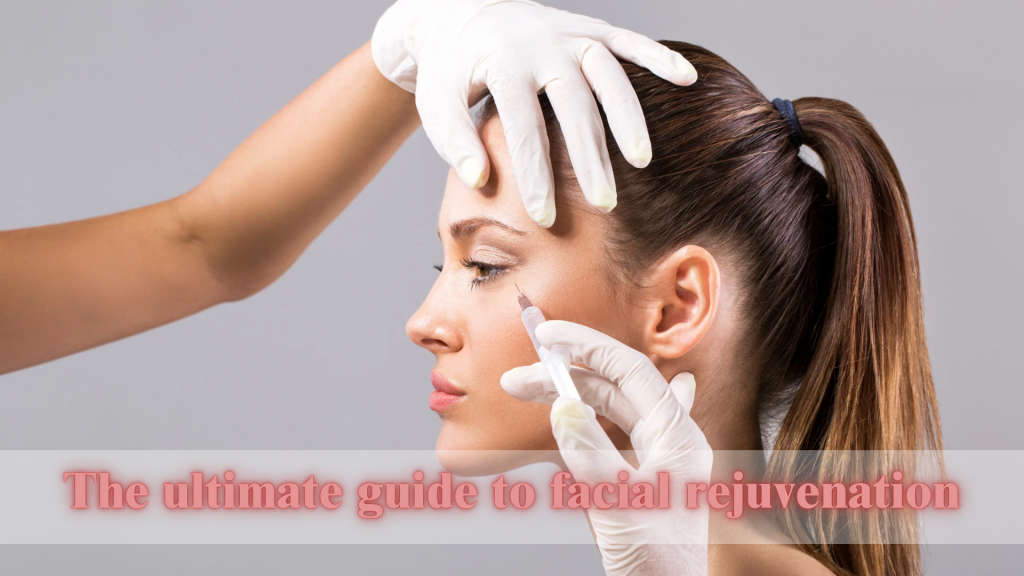
Using a very fine needle, the practitioner injects Botox into targeted muscles. The number of injections will vary depending on the size of the treatment area and the desired outcome. Each injection is performed with great precision to ensure that only the intended muscles are affected. The entire process typically takes no more than 15 to 30 minutes, making it an ideal option for individuals with busy lifestyles.
Immediate Post-Treatment
After the injections, you may notice slight redness or swelling at the injection sites. These effects are temporary and usually subside within a few hours. You will be advised to avoid touching or massaging the treated areas to prevent the Botox from spreading to unintended regions. Most patients can return to their normal activities immediately after the procedure, although strenuous exercise and excessive sun exposure are best avoided for at least 24 hours.
Botox Aftercare Tips: Maximizing Results and Minimizing Risks
Proper aftercare is crucial to ensure that you receive the best possible results from your Botox treatment while minimizing any potential side effects. Here are some key tips for optimal aftercare:
1. Keep Your Head Elevated
For the first few hours following the treatment, it is advisable not to lie down. Keeping your head elevated helps prevent the Botox from migrating to areas where it might cause unintended muscle relaxation.
2. Avoid Touching the Treated Area
Refrain from rubbing or massaging the injection sites. This precaution minimizes the risk of Botox spreading beyond the target area and helps maintain the desired results.
3. Skip the Makeup (Initially)
While it might be tempting to apply makeup immediately, it is best to avoid doing so for the first 24 hours. This allows your skin to breathe and reduces the likelihood of irritation or infection.
4. Steer Clear of Strenuous Activities
Avoid heavy exercise or any activity that could increase blood circulation excessively for at least 24 hours post‐treatment. Increased blood flow might interfere with the settling of the toxin into the targeted muscles.
5. Monitor for Side Effects
While most side effects are minor and temporary, such as slight swelling or redness, it is important to monitor your skin’s reaction. If you experience any unusual symptoms—such as severe pain, prolonged swelling, or signs of infection—contact your practitioner immediately.
6. Follow-Up Appointments
A follow-up appointment is usually scheduled within two weeks after the treatment. This session is essential for assessing the results and determining if any touch-ups are necessary to achieve the optimal outcome.
Choosing the Right Botox Provider: What to Look For?
One of the most important factors in achieving great results from your Botox treatment is choosing a skilled and experienced provider. Here are some key considerations:
1. Expertise and Experience
Look for a practitioner who specializes in cosmetic treatments and has extensive experience with Botox injections. A provider who has performed a large number of procedures will be more adept at tailoring the treatment to your unique facial structure and needs.
2. Licensing and Certifications
Ensure that the provider is fully licensed and certified by the relevant medical boards or cosmetic associations. This not only guarantees a high standard of care but also minimizes the risk of complications.
3. Reputation and Reviews
Research the provider’s reputation by reading reviews and testimonials from previous patients. A strong track record of satisfied clients is a positive indicator of both the provider’s skill and the quality of care you can expect.
4. Use of Top-Quality Products
The effectiveness of Botox is influenced by the quality of the product used. Renowned brands like Allergan, Xeomin, and Dysport have different characteristics that may suit different patients. Ensure that your provider uses reputable products and is transparent about the brands they offer.
5. Comprehensive Consultation Process
A reputable provider will conduct a detailed consultation to understand your goals and expectations. They should be willing to discuss the potential benefits, risks, and realistic outcomes of the procedure. This personalized approach is critical to achieving natural-looking results.
6. Before-and-After Evidence
Reviewing before-and-after photos of previous patients can provide valuable insight into the provider’s work. This visual evidence can help you gauge the consistency and quality of the results achieved by the practitioner.
Potential Side Effects and How to Avoid Them
While Botox is generally safe when administered by a qualified professional, it is essential to be aware of potential side effects and understand how to minimize them.
1. Common Side Effects
The most frequently reported side effects include:
- Mild Swelling or Redness: Temporary swelling or redness at the injection sites is common and usually subsides within a few hours.
- Bruising: Some patients may experience minor bruising, particularly if they are prone to easy bruising.
- Headaches: A few patients report temporary headaches following the treatment.
- Temporary Muscle Weakness: In rare cases, adjacent muscles may experience slight weakness, though this is usually transient.
2. Minimizing Risks
To reduce the likelihood of side effects:
- Follow Aftercare Instructions: Adhering strictly to the aftercare guidelines provided by your practitioner is essential.
- Choose a Skilled Provider: An experienced injector will ensure that the Botox is administered in precise doses and the correct locations.
- Avoid Blood Thinners: Inform your provider about any medications you are taking, especially blood thinners, as they can increase the risk of bruising.
3. Recognizing and Managing Complications
Although complications are rare, it is important to recognize the signs. If you notice any severe or prolonged adverse effects, such as difficulty swallowing, vision problems, or significant muscle weakness, seek medical advice immediately.
Botox Costs: Understanding the Pricing Factors
The cost of Botox treatments can vary widely depending on several factors. Understanding these factors can help you make an informed decision and find a solution that fits your budget.
1. Geographical Location
The cost of living and local market conditions can influence the price of Botox. Treatments in metropolitan areas or upscale clinics tend to be more expensive compared to smaller cities or towns.
2. Experience and Reputation of the Provider
Highly experienced and reputable practitioners often charge a premium for their services. While the upfront cost may be higher, the quality of care and the likelihood of achieving natural, satisfying results are typically worth the investment.
3. Amount of Botox Required
The number of units required varies based on the individual’s facial structure, the severity of wrinkles, and the specific areas being treated. More extensive treatments will naturally incur higher costs.
4. Type of Botox Product
Different brands of Botox (such as Allergan, Dysport, or Xeomin) may come with varying price tags. Some products are known for their longer-lasting effects or quicker onset, which may also influence their cost.
5. Additional Services
In some cases, Botox may be part of a broader aesthetic package that includes complementary treatments like dermal fillers or laser skin rejuvenation. Package deals may offer cost benefits but be sure to understand the full scope of services included.
Botox vs. Dermal Fillers: What’s the Difference?
Understanding the differences between Botox and dermal fillers is essential when planning a comprehensive facial rejuvenation strategy.
1. How Botox Works
As previously discussed, Botox works by relaxing the muscles that cause dynamic wrinkles. It is most effective in treating wrinkles caused by repetitive facial movements, such as frowning or squinting.
2. How Dermal Fillers Work
Dermal fillers, on the other hand, are designed to restore lost volume in the face. They are commonly used to plump up areas such as the cheeks, lips, and nasolabial folds (the lines that run from the nose to the mouth). Fillers work by injecting substances like hyaluronic acid into the skin, creating a fuller and more youthful appearance.
3. When to Use Each Treatment
- Botox: Best suited for dynamic wrinkles and areas where muscle movement is the primary cause of wrinkles.
- Dermal Fillers: Ideal for static wrinkles—those that are present even when the face is at rest—and for adding volume to sagging areas.
4. Combining Treatments
In many cases, Botox and dermal fillers are used together to achieve a balanced and comprehensive facial rejuvenation. Botox smooths out wrinkles by relaxing muscles, while fillers restore volume, resulting in a harmonious, natural look.
Real Patient Stories and Testimonials
One of the most powerful ways to understand the benefits of Botox is through real patient experiences. Over the years, countless individuals have transformed their appearance and regained their confidence through Botox treatments.
1. The Journey of Transformation
Consider the story of Emma, a 42-year-old marketing executive who had long struggled with deep frown lines and crow’s feet. After a thorough consultation and personalized treatment plan, Emma underwent Botox injections targeting her forehead and around her eyes. Within two weeks, she noticed a significant reduction in her wrinkles. Emma describes her experience as “life-changing,” emphasizing how the subtle, natural results boosted her self-esteem and improved her overall quality of life.
2. Diverse Experiences
John, a 55-year-old teacher, was initially hesitant about Botox due to concerns about looking “frozen” or unnatural. However, after meeting with an experienced practitioner who explained the importance of dosing and natural movement, John decided to try the treatment. His results were so subtle that his colleagues remarked on how refreshed he looked, without any obvious signs of cosmetic intervention. These stories illustrate that Botox, when administered correctly, can provide personalized results that enhance one’s natural beauty.
3. Visual Testimonials
Many clinics maintain galleries of before-and-after photos that showcase the transformative power of Botox. These visual testimonials serve as a powerful endorsement of the treatment’s effectiveness, demonstrating that the procedure can yield both dramatic improvements and gentle refinements, depending on the individual’s goals.
Frequently Asked Questions (FAQ) About Botox
To further help you understand Botox, here are answers to some of the most common questions:
Q1: Is Botox Painful?
Most patients report that Botox injections are minimally uncomfortable. The sensation is often described as a slight pinch, and many providers apply a topical numbing cream to further alleviate any discomfort.
Q2: How Soon Will I See Results?
Results from Botox typically begin to appear within three to seven days after the treatment, with the full effect visible by about two weeks.
Q3: How Long Does the Treatment Last?
The effects of Botox generally last between three and six months. Over time, muscle activity gradually returns, and the treatment will need to be repeated to maintain the results.
Q4: Are There Any Risks or Side Effects?
Common side effects include minor swelling, redness, or bruising at the injection sites. Serious complications are rare when the treatment is performed by an experienced professional.
Q5: Can Botox Be Combined With Other Treatments?
Yes, Botox is often used in conjunction with other cosmetic procedures such as dermal fillers, chemical peels, or laser treatments to provide a comprehensive facial rejuvenation.
Q6: Who Is an Ideal Candidate for Botox?
Ideal candidates are individuals who are in good health and seeking to reduce the appearance of dynamic wrinkles. A detailed consultation with a qualified practitioner will help determine if Botox is the right option for you.
In-Depth Look at the Botox Procedure and Patient Experience
Let’s take a closer look at the entire journey—from consultation to aftercare—to better understand how Botox can be integrated into your routine.
1. Pre-Procedure Consultation
During your initial consultation, the practitioner will conduct a detailed evaluation of your facial structure, skin type, and specific areas of concern. This process often involves:
- A review of your medical history
- Discussion of your aesthetic goals
- An examination of your facial muscles and wrinkles
- A discussion of the potential risks and benefits
This comprehensive assessment ensures that the treatment plan is tailored to your unique needs, setting the stage for optimal results.
2. The Day of the Treatment
On the day of your Botox treatment, you should arrive well-prepared and relaxed. The practitioner will cleanse the targeted areas and may apply a topical numbing cream if needed. With a fine needle and a steady hand, the injections are administered into the precise locations identified during your consultation.
Patients often appreciate the efficiency of the procedure, which typically lasts only 15 to 30 minutes. Many describe the experience as quick and virtually painless, with only minor discomfort that fades rapidly.
3. Immediate Post-Treatment Guidelines
After the injections, you will be given specific instructions to follow to ensure the best possible outcome. These guidelines typically include:
- Avoiding lying down for at least four hours
- Not touching or massaging the treated areas
- Steering clear of strenuous exercise and hot environments for 24 hours
- Keeping your head elevated to prevent the spread of the toxin
Following these instructions diligently can help to maximize the results and reduce the risk of side effects.
4. Follow-Up and Maintenance
A follow-up appointment is usually scheduled within two weeks to review your results. This session provides an opportunity to assess the effects of the treatment, address any concerns, and plan for future sessions. Regular maintenance sessions—typically every three to six months—help sustain the youthful appearance achieved through Botox.
The Financial Aspect: Botox Costs and Value
Understanding the financial investment associated with Botox is crucial. While the upfront cost might seem significant, many patients find that the long-lasting benefits and increased self-confidence justify the expense.
1. Breaking Down the Costs
Botox pricing is determined by several factors:
- The geographical location and reputation of the clinic
- The experience and expertise of the provider
- The number of units required to achieve the desired effect
- The specific brand of Botox used
Some clinics charge per unit of Botox, while others offer package deals that include a comprehensive consultation and follow-up appointments.
2. Evaluating the Value
When considering Botox, it is important to view the treatment as an investment in your appearance and overall well-being. Many patients report that the boost in self-confidence and the improvement in their quality of life far outweigh the financial cost.
3. Insurance and Financing Options
While Botox for cosmetic purposes is generally not covered by insurance, many clinics offer financing plans or special promotions to make the treatment more affordable. Discuss these options during your consultation to find a plan that suits your budget.
Botox Versus Dermal Fillers: A Comprehensive Comparison
To fully understand the role of Botox in facial rejuvenation, it is helpful to compare it with another popular cosmetic treatment: dermal fillers.
1. The Fundamental Differences
- Botox: Primarily targets dynamic wrinkles by relaxing the muscles responsible for facial expressions. It is ideal for treating areas such as the forehead, crow’s feet, and frown lines.
- Dermal Fillers: Designed to restore lost volume and plump up areas of the face. Fillers are effective in treating static wrinkles and are commonly used in the cheeks, lips, and nasolabial folds.
2. Combining Treatments for Maximum Impact
Many individuals find that a combination of Botox and dermal fillers yields the best results. Botox can soften dynamic wrinkles while fillers add volume, creating a balanced and naturally rejuvenated appearance. A skilled practitioner will develop a personalized plan that takes into account your unique facial structure and aesthetic goals.
3. Making the Right Choice
The decision to use Botox, dermal fillers, or both should be made after a thorough consultation. Your provider will assess your skin, discuss your concerns, and recommend the most suitable treatment plan to achieve the desired outcome.
Real Stories: Patient Testimonials and Experiences
Hearing about the experiences of others can be incredibly reassuring. Many patients who have undergone Botox treatments share similar stories of renewed self-confidence and natural-looking results.
1. Emma’s Story: Renewed Confidence at 42
Emma, a 42-year-old professional, was initially self-conscious about the deep frown lines that had formed between her eyebrows over the years. After a detailed consultation, she decided to undergo Botox treatment. Emma recalls, “I was nervous at first, but the procedure was so quick and virtually painless. Within two weeks, I noticed a remarkable difference. My frown lines had softened, and I felt more confident at work and in my personal life.” Emma’s experience underscores the transformative potential of Botox when performed by a skilled practitioner.
2. John’s Experience: A Subtle Refresh
John, a 55-year-old teacher, was concerned about the signs of aging on his face, particularly the crow’s feet around his eyes. Despite his initial hesitation, John trusted his provider and opted for Botox. “What I loved most was that the results were subtle yet effective,” he says. “I didn’t look overdone or frozen—I just looked naturally refreshed. My colleagues even commented on how I seemed to have taken years off my appearance without any drastic changes.” John’s story highlights how Botox can be tailored to produce natural results that enhance your features without compromising your individuality.
3. Visual Proof and Confidence
Before-and-after photos and video testimonials further reinforce the benefits of Botox. Many reputable clinics maintain comprehensive galleries showcasing the dramatic yet natural transformations achieved through carefully administered Botox treatments. These visual testimonials not only build trust but also serve as a reminder that aesthetic improvements are possible for anyone willing to invest in their self-care.
Frequently Asked Questions (FAQ) About Botox
As we wrap up this extensive guide, let’s revisit some of the most commonly asked questions regarding Botox to ensure that all your concerns are addressed.
Q: How many sessions are required to see lasting results?
A: Most patients begin to notice visible results after one session. For optimal maintenance, treatments are typically repeated every three to six months.
Q: Can Botox be used for both cosmetic and medical purposes?
A: Yes. While Botox is widely known for its cosmetic applications, it is also used to treat conditions such as chronic migraines, hyperhidrosis (excessive sweating), and muscle spasticity.
Q: Are there any restrictions on my daily activities after a Botox treatment?
A: Generally, you can resume most daily activities immediately. However, it is recommended to avoid strenuous exercise, saunas, and excessive sun exposure for the first 24 hours after treatment.
Q: How natural do the results of Botox look?
A: When administered correctly by an experienced provider, Botox results are subtle and natural. The goal is to soften wrinkles without compromising facial expressions, leaving you looking refreshed rather than “frozen.”
Q: What factors influence the longevity of Botox results?
A: Several factors can affect how long Botox lasts, including your age, the strength of your facial muscles, your skin type, and your overall lifestyle. Your practitioner will tailor your treatment plan to help maximize the duration of your results.
Conclusion: Is Botox Right for You?
In conclusion, Botox represents a remarkable breakthrough in the field of aesthetic medicine. Its ability to reduce dynamic wrinkles, enhance facial contours, and even address certain medical conditions has made it a popular choice for millions around the world. Whether you are seeking a subtle refresh or a more significant transformation, Botox offers a safe, effective, and minimally invasive solution.
Choosing to undergo Botox treatment is a personal decision that should be made after a thorough consultation with a qualified practitioner. With the right provider, you can expect not only to diminish the visible signs of aging but also to experience a renewed sense of confidence and vitality. The journey to rejuvenation begins with understanding your options and taking proactive steps to care for your skin—and Botox might just be the key to unlocking a more youthful, radiant you.
As you consider your options, remember that every individual’s needs are unique. A personalized treatment plan, developed in close collaboration with a skilled provider, will ensure that your Botox experience is both safe and satisfying. With proper aftercare and regular maintenance sessions, you can enjoy the benefits of a smoother, younger-looking complexion for years to come.