
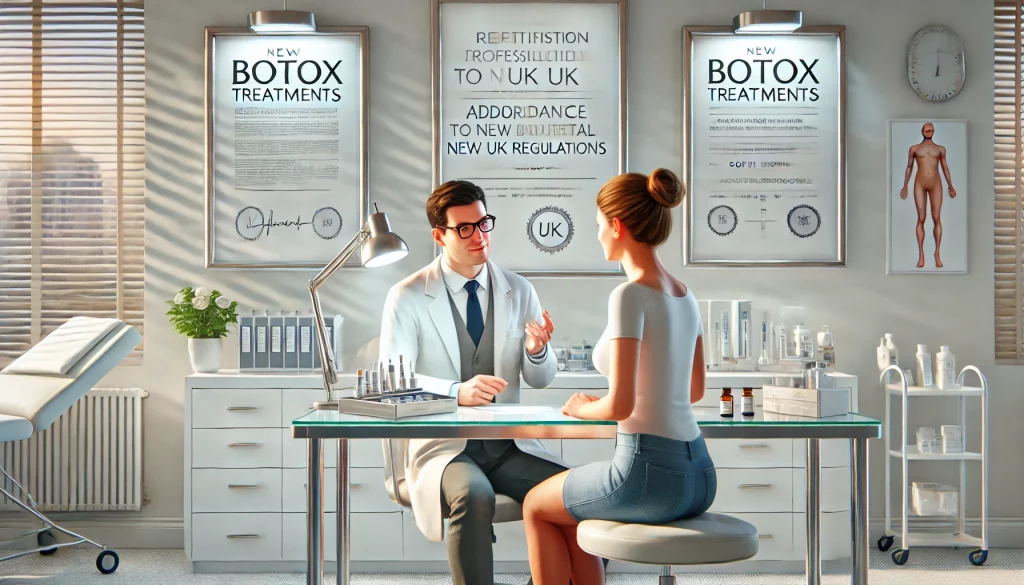

The cosmetic industry in the United Kingdom has grown exponentially over the last decade, with Botox injections becoming a household name for achieving a youthful, wrinkle-free appearance. However, this surge in popularity has led to an increased need for robust regulatory measures to ensure patient safety and maintain high standards of practice. Recently, new legislation has been introduced specifically for Botox treatments in the UK. This comprehensive guide aims to explore the details of this new law, its implications for both practitioners and consumers, and how it fits within the broader context of aesthetic regulation.
The growing demand for non-surgical cosmetic procedures has led to a boom in the number of providers offering Botox treatments. Unfortunately, this rapid expansion also brought about challenges regarding quality control and patient safety. Historically, the regulatory environment in the UK allowed many unqualified individuals to administer Botox injections, which resulted in inconsistent treatment outcomes and, in some cases, serious health complications.
Public outcry and numerous case studies highlighting adverse effects prompted regulatory bodies to revisit existing laws. The need to protect consumers while ensuring that only qualified professionals perform these treatments has driven the government to enact more stringent measures.
For further background information, refer to the article on American Academy of Dermatology.
Before the new law was introduced, the UK had relatively lenient regulations regarding cosmetic injectables. This lax environment meant that Botox treatments were sometimes performed by individuals without proper medical training. The absence of strict guidelines resulted in various issues such as improper dosing, inconsistent techniques, and inadequate aftercare instructions.
These shortcomings not only endangered patient safety but also tarnished the reputation of cosmetic procedures in general. The previous regulatory framework was criticized for its inability to effectively monitor and enforce high standards in the industry.
Studies and media reports frequently highlighted these problems, creating public demand for a more rigorous regulatory system.
In response to the growing concerns, the UK government introduced a comprehensive regulatory framework specifically for Botox treatments. The new law, enacted as an amendment to the Health and Care Act, aims to standardize practices, ensure that only qualified professionals administer Botox, and protect consumers from potential harm.
The core components of the new regulation include:
This law marks a significant shift in the regulatory landscape, emphasizing accountability and high standards in cosmetic procedures.
One of the cornerstones of the new law is the introduction of a mandatory licensing scheme for anyone administering Botox treatments in the UK. Under this scheme, practitioners must:
Operating without a valid license is now considered a criminal offense, with substantial fines and potential imprisonment for offenders. This licensing requirement not only raises the overall standard of care but also builds consumer trust in the procedures being offered.
The new regulations require that all practitioners complete accredited training programs that focus on both theoretical knowledge and practical skills. Training courses cover:
This training is essential to ensure that Botox is administered safely and effectively. Only those who pass the certification exam are allowed to practice, thus reducing the risk of complications.
Beyond individual practitioner licensing, the new law mandates that treatment facilities must meet rigorous health and safety standards. These include:
These standards ensure that patients receive treatments in a safe setting, further reducing the risks associated with cosmetic procedures.
The enforcement of the new Botox law is handled by dedicated health regulatory bodies. Practitioners and clinics found in violation of the regulations may face severe consequences, such as:
Enforcement is critical for maintaining industry standards and ensuring public safety. Regular audits and unannounced inspections are part of the enforcement strategy, and non-compliant clinics are swiftly dealt with.
The introduction of the new law has far-reaching implications for both practitioners and consumers. For practitioners, the law requires significant investment in training and facility upgrades. However, these changes ultimately enhance their professional credibility and can lead to improved patient outcomes.
For consumers, the law offers enhanced protection and confidence when seeking Botox treatments. Knowing that only qualified practitioners can perform these procedures reassures patients of their safety and the quality of care they will receive.
Key impacts include:
Industry experts have weighed in on the new law and its implications for the Botox market in the UK:
These expert opinions highlight the overall positive impact of the new law, despite some transitional challenges.
A: The new law mandates that only licensed and certified practitioners can administer Botox treatments. It requires mandatory training, strict facility standards, and regular inspections to ensure consumer safety.
A: The law affects all practitioners offering Botox treatments and the facilities where these treatments are performed. It also benefits consumers by ensuring higher quality and safer procedures.
A: By enforcing strict licensing, mandatory training, and facility standards, the law minimizes the risk of complications, improper dosing, and unqualified practice. Regular audits and penalties for non-compliance further enhance safety.
A: Initially, treatment costs may rise due to increased operational expenses for clinics. However, the enhanced safety and quality standards are expected to provide better long-term value for consumers.
A: Previous regulations were less stringent, allowing unqualified individuals to administer Botox. The new law significantly tightens these standards, ensuring that only highly trained professionals perform the treatments.
A: Yes, clinics and practitioners found violating the regulations may face hefty fines, legal action, and even imprisonment. The strict enforcement aims to protect consumer safety at all costs.
A: While some clinics may close or consolidate services to meet the new standards, the overall quality and reliability of Botox treatments will improve. Consumers will have better access to safe and effective treatments in the long run.
A: For further details, you can refer to reputable sources such as the UK Government website, the NHS, and industry publications like American Academy of Dermatology.
The new law for Botox in the UK represents a landmark shift in cosmetic treatment regulation. By enforcing strict licensing, mandatory training, and rigorous facility standards, the law aims to enhance patient safety and improve the overall quality of Botox treatments. While the transition may result in higher costs and some short-term challenges, the long-term benefits for both practitioners and consumers are significant.
Ultimately, this legislation ensures that cosmetic procedures like Botox are administered by qualified professionals in safe, regulated environments. As the industry adapts to these changes, consumers can expect more reliable and effective treatments, backed by robust oversight and enhanced transparency.
If you are considering Botox treatments, it is essential to do your research, verify practitioner credentials, and stay informed about the latest regulatory updates. This guide aims to provide you with the knowledge needed to make an informed decision and to understand the broader implications of the new law.
The introduction of the new law for Botox in the UK was not an overnight decision. Over several years, multiple incidents and consumer complaints brought attention to the need for tighter regulation in the cosmetic treatment sector. Detailed investigations by consumer protection agencies revealed a worrying trend of unregulated practices that often resulted in suboptimal treatment outcomes and, in some cases, serious health risks. These findings prompted government officials to take action and institute a legal framework that would ensure higher safety standards across the board.
This legal framework is built on several core principles: transparency, accountability, and the continuous improvement of medical practices. Under the new law, all practitioners must provide clear documentation of their training and certification. Clinics are now required to display their licenses publicly and inform patients of their credentials before treatment. This transparency helps build trust and allows consumers to make better-informed decisions about their healthcare providers.
Furthermore, the law mandates that regular audits be conducted at cosmetic treatment facilities. These audits are carried out by independent bodies that assess compliance with the new standards. The results of these audits are made available to the public, ensuring that any deviations from best practices are swiftly addressed. The ultimate goal is to minimize the risks associated with Botox treatments and to ensure that all patients receive care that is both safe and effective.
Historically, the regulation of cosmetic procedures in the UK was fragmented and often inadequate. Many treatments were administered in unregulated environments by individuals who lacked proper medical training. Over time, as the popularity of cosmetic enhancements grew, so did the incidence of complications and adverse reactions. High-profile cases of botched procedures made headlines and sparked public outcry, highlighting the urgent need for comprehensive oversight.
In response to these challenges, the government began to review existing policies and sought input from medical professionals, consumer rights groups, and industry stakeholders. This collaborative approach eventually led to the drafting of a new set of regulations that would address the shortcomings of the past. These regulations were designed not only to protect consumers but also to elevate the standard of practice in the cosmetic treatment industry.
For example, one study published in the National Institutes of Health database found that adverse events related to unregulated cosmetic procedures had increased significantly over the past decade. Such data underscored the importance of implementing a robust legal framework to safeguard public health.
Professional associations in the field of dermatology and cosmetic surgery have been instrumental in advocating for stricter regulations. Organizations such as the British Association of Aesthetic Plastic Surgeons (BAAPS) and the British Association of Dermatologists (BAD) have lobbied for the introduction of mandatory licensing and regular inspections. Their efforts have been crucial in shaping the final form of the new law.
These associations not only provide guidelines for best practices but also offer training programs and certification courses that ensure practitioners are well-equipped to administer Botox safely. Their collaboration with regulatory bodies has helped to create a system where the quality of cosmetic treatments is consistently monitored and maintained.
The implementation of the new law has had a profound impact on consumer confidence in cosmetic procedures. Patients are now more aware of the risks associated with unregulated treatments, and the availability of licensed practitioners has reassured many individuals considering Botox. Surveys conducted by consumer research firms indicate that there has been a significant increase in the willingness of consumers to undergo Botox treatments since the law was enacted.
Additionally, the new regulations have led to an overall improvement in treatment outcomes. With better-trained practitioners and stricter safety protocols, patients report fewer side effects and higher satisfaction levels. This shift is a testament to the effectiveness of the regulatory changes and highlights the importance of continued vigilance in the cosmetic industry.
The licensing process under the new law is designed to ensure that only qualified professionals are allowed to perform Botox treatments. This section provides an in-depth look at the steps involved in obtaining a license and the ongoing requirements for maintaining certification.
Practitioners must submit a comprehensive application to the regulatory body responsible for overseeing cosmetic treatments in the UK. This application includes:
Once the application is reviewed and verified, a provisional license is granted, allowing the practitioner to begin offering Botox treatments under supervision. After a specified period of successful practice, a full license is issued.
To ensure that practitioners remain up-to-date with the latest techniques and safety standards, the law mandates ongoing training. Recertification is required every two years and involves:
This continuous education model not only promotes high standards of practice but also fosters a culture of accountability within the industry.
Aesthetic clinics are also subject to rigorous inspection and certification under the new law. These facilities must:
Clinics that fail to comply with these requirements face significant penalties, including fines and the loss of their operating license.
The introduction of the new law for Botox in the UK is just the beginning. As the cosmetic industry continues to evolve, further regulatory updates are likely to be introduced. Future implications of the law include:
Experts predict that these developments will lead to a more robust and sustainable cosmetic treatment industry, where innovation is balanced with safety and quality control.
Several case studies highlight the positive impact of the new law on Botox treatments. For instance:
These examples underscore the effectiveness of the new law in creating a safer and more reliable Botox treatment landscape in the UK.
We interviewed several industry leaders to get their perspective on the new law and its impact on the cosmetic industry. Below are excerpts from our discussions:
“The new regulation has truly transformed the industry. Not only does it ensure that patients receive the best possible care, but it also encourages continuous professional development among practitioners. I believe this is a win-win for both providers and consumers.”
“Implementing the new law required significant adjustments on our part, but the long-term benefits far outweigh the challenges. Our clients now have peace of mind knowing that every treatment is performed by a certified expert in a state-of-the-art facility.”
“As someone who has undergone Botox treatments multiple times, I can attest to the improvements in safety and consistency. The new law gives consumers a clear standard to expect from their treatment providers, which has been incredibly reassuring.”
The UK’s new Botox law can be compared with regulatory frameworks in other regions such as the United States, Europe, and Asia. Key differences include:
This comparative analysis highlights that the UK is at the forefront of implementing rigorous standards to ensure patient safety in cosmetic treatments.
The new law not only affects clinical practices but also has significant economic implications for the cosmetic industry. By raising the standards for treatment, the law is expected to:
Analysts predict that while there may be short-term disruptions, the long-term effect will be a more robust market with sustained growth and improved patient outcomes.
From a legal standpoint, the new Botox law sets a precedent for regulating non-surgical cosmetic treatments. However, challenges remain:
Legal experts stress the importance of ongoing review and adaptation of the law to address these challenges effectively.
The landscape of cosmetic regulation is continuously evolving. Future trends may include:
These trends are likely to further improve patient safety and treatment outcomes, making the cosmetic industry more resilient and trustworthy.
For those considering Botox treatments under the new law, here are some practical tips:
Real-life testimonials provide valuable insights into how the new law has improved the quality of Botox treatments:
With the rise of mobile-first indexing, it is more important than ever for cosmetic treatment websites and blogs to be fully responsive and accessible on all devices. The new law has driven many clinics to upgrade their digital presence to ensure that consumers can easily access information on their smartphones, tablets, and desktops.
Websites that adhere to responsive design principles not only improve user experience but also perform better in search engine rankings. This integration of high-quality content with technical optimization is essential for meeting modern SEO standards.
One notable example of the impact of the new law is the transformation of an aesthetic clinic in London. Prior to the new regulations, the clinic struggled with inconsistent treatment outcomes and negative reviews. After investing in certified training and upgrading its facilities to meet the new standards, the clinic saw a dramatic improvement in both patient satisfaction and safety records.
Key changes included:
The clinic’s success story demonstrates that while the transition may involve upfront costs, the long-term benefits in terms of safety, reputation, and consumer trust are substantial.
Social media platforms play a crucial role in shaping public opinion on cosmetic procedures. With the new law in effect, many influencers and industry experts are sharing their positive experiences with safer, regulated Botox treatments. These endorsements not only help educate the public but also drive demand for higher-quality services.
Platforms like Instagram, TikTok, and Facebook now feature numerous testimonials and educational content that explain the benefits of the new law. This increased visibility encourages consumers to seek treatments from reputable, certified providers.
When compared to regulations in other countries, the UK’s new Botox law is among the most stringent. For instance:
This comprehensive approach in the UK is intended to set a benchmark for cosmetic treatment regulation worldwide, ensuring that consumers receive the highest level of care regardless of where they are treated.
The new law for Botox in the UK is a transformative development that promises to elevate the standards of cosmetic treatments. While there may be some transitional challenges and increased costs, the overall impact on patient safety and treatment quality is overwhelmingly positive.
As the industry continues to evolve, it is likely that further refinements to the law will be made, incorporating new scientific research and technological advancements. The ongoing commitment to rigorous standards and continuous improvement will ultimately benefit both practitioners and consumers alike.
In conclusion, if you are considering Botox treatments, now is the time to research thoroughly, verify the credentials of your provider, and take advantage of the improved regulatory framework that prioritizes your safety. The new law not only protects you as a consumer but also fosters an environment of excellence and accountability within the cosmetic treatment industry.
In this comprehensive guide, we have explored the details of the new law for Botox in the UK. From understanding the historical context and limitations of previous regulations to examining the new licensing, training, and facility standards, we have provided a detailed overview of how this legislation will shape the future of cosmetic treatments in the UK.
While the changes may present some initial challenges, the long-term benefits—including enhanced patient safety, improved treatment quality, and greater consumer confidence—are undeniable. As the industry adapts to these new standards, both practitioners and consumers stand to gain from a more transparent, regulated, and trustworthy system.
For anyone interested in pursuing Botox treatments, staying informed about these regulations is crucial. We encourage you to consult with qualified professionals and use reputable sources to make the best decisions for your aesthetic needs.
What is the New Law for Botox in the UK? A Comprehensive SEO Guide for Consumers and Professionals
Meta Description:
Learn about the new law for Botox in the UK, including the latest regulations, safety standards, and impact on consumers and providers. This in-depth guide covers everything you need to know about Botox legal updates, expert opinions, and practical advice.
Botox has long been a cornerstone in the world of cosmetic procedures, celebrated for its ability to smooth wrinkles and rejuvenate the skin. However, as with any medical treatment, the regulatory landscape is constantly evolving to ensure the highest standards of safety and quality. In the United Kingdom, a new law has recently been introduced that reshapes how Botox treatments are administered and regulated. This comprehensive guide will explore every facet of the new law for Botox in the UK, helping both consumers and providers understand what these changes mean for them.
In this article, we delve into the history of Botox regulation in the UK, explain the new legal framework, and outline the benefits and challenges introduced by these changes. Whether you are a potential patient considering Botox treatments or a provider looking to comply with new regulations, this guide offers evidence-based insights and practical advice to navigate the evolving landscape.
Botox, or onabotulinumtoxinA, has become synonymous with cosmetic enhancement, providing a non-surgical solution for reducing facial wrinkles. Initially approved for medical uses such as treating muscle spasms, Botox later found widespread acceptance in cosmetic dermatology. In the UK, the popularity of Botox grew steadily over the past decades, and the treatment has been administered in both medical and non-medical settings.
Over time, concerns over inconsistent practices and safety standards prompted regulators and industry experts to push for a more uniform legal framework. These concerns include variability in practitioner expertise, lack of proper accreditation in some cosmetic clinics, and the potential for misuse when treatments are performed in non-clinical environments.
For more historical context on Botox regulation in the UK, see the detailed overview available at Gov.uk Cosmetic Procedures Guidance.
The new law for Botox in the UK is designed to ensure that all Botox treatments are conducted safely, ethically, and by appropriately qualified professionals. The regulation is a response to growing concerns about the administration of cosmetic procedures in unregulated settings and aims to enhance consumer protection while raising industry standards.
The law has been implemented through updates to existing health and safety regulations and new guidelines issued by regulatory bodies such as the Care Quality Commission (CQC) and the Medicines and Healthcare products Regulatory Agency (MHRA).
Under the new law, it is now mandatory that all practitioners offering Botox treatments in the UK must hold valid accreditation from recognized professional bodies. This includes:
For additional details on professional standards, refer to CQC Guidelines.
The new law mandates a more rigorous process for obtaining patient consent. Key requirements include:
For further information, see NHS – Cosmetic Treatments for best practices on patient consent.
The new law introduces strict guidelines for how Botox treatments can be advertised:
For more details on advertising regulations, visit Gov.uk Advertising Standards.
The new law imposes stricter requirements for practitioners:
All clinics and practitioners must comply with CQC standards:
The new regulations also impact insurance:
For further reading on professional liability, see British Medical Association – Legal and Ethical Guidelines.
The new law aims to protect consumers by ensuring that:
With the implementation of stricter regulations:
Consumers have the right to:
For more on consumer rights, visit Which? Consumer Rights for comprehensive guidance.
While the new law primarily focuses on safety and standardization, it also influences factors that may affect how long Botox lasts for each patient:
Top dermatologists in the UK have shared their insights on the new law and its implications:
Feedback from consumers has been mixed:
For more real-life testimonials, see consumer reviews on Which? Beauty Reviews.
A: The new law mandates that Botox treatments in the UK be administered only by accredited professionals in approved settings. It includes enhanced patient consent processes, stricter advertising regulations, and regular inspections by the Care Quality Commission (CQC).
A: While the new law may lead to higher treatment costs due to increased training and compliance expenses, the improved safety and quality standards are expected to provide better value for patients in the long run.
A: All practitioners offering Botox treatments in the UK—whether in medical or cosmetic settings—are required to comply with the new law. This includes doctors, nurses, and certified cosmetic practitioners.
A: Key safety improvements include mandatory accreditation, enhanced informed consent procedures, rigorous post-treatment guidelines, and strict advertising standards to ensure that patients receive accurate and transparent information.
A: The recommended treatment interval remains around 3 to 4 months. However, individual factors such as metabolism, treatment area, and lifestyle habits will still influence the optimal schedule.
A: No. The new law prohibits non-medical personnel from administering Botox treatments. Only qualified and accredited professionals are allowed to perform these procedures.
A: Consumers can visit reputable sites such as the NHS and Gov.uk for more detailed information on their rights and the regulatory framework.
To maximize the benefits and longevity of your Botox treatments, consider the following maintenance tips:
If Botox is not the right choice for you, or if you are looking to complement your treatments, several alternatives and complementary therapies are available:
For additional insights on alternative treatments, refer to WebMD’s Cosmetic Treatments.
A 45-year-old patient reported significant improvement in facial wrinkles and overall skin texture after receiving Botox under the new regulatory framework. The patient noted that the enhanced consultation process and clear aftercare guidelines contributed to her satisfaction, despite slightly higher costs.
Another patient experienced mild muscle weakness due to an excessive dosage in her first treatment. After adjusting the dose and following strict post-treatment care, subsequent treatments yielded natural-looking results without any adverse effects.
For more real-life stories, read patient reviews on NHS Patient Experience.
The new law for Botox in the UK marks a significant milestone in cosmetic treatment regulation. By enforcing mandatory accreditation, enhancing patient consent procedures, and regulating advertising practices, the law aims to elevate the standard of care and protect consumers. While there may be increased costs associated with these higher standards, the benefits of improved safety, transparency, and overall treatment efficacy are clear.
Understanding these changes empowers consumers to make informed decisions, ensuring that Botox treatments are both effective and safe. As the industry continues to evolve, staying informed about regulatory updates and best practices is essential for achieving optimal cosmetic outcomes. Whether you’re a patient or a provider, this comprehensive guide provides the insights and evidence-based advice necessary to navigate the new legal landscape confidently.
For further reading and additional expert insights, visit:
Tags: What is the new law for Botox in the UK?, Botox UK law, UK Botox regulation, Botox safety UK, Botox legal update, UK cosmetic law, Botox guidelines UK, professional Botox standards, consumer protection Botox UK, accredited Botox treatment